
Multilayer plastic waste has become one of the more complicated materials moving through modern waste systems. At first glance, a food pouch, sachet or...
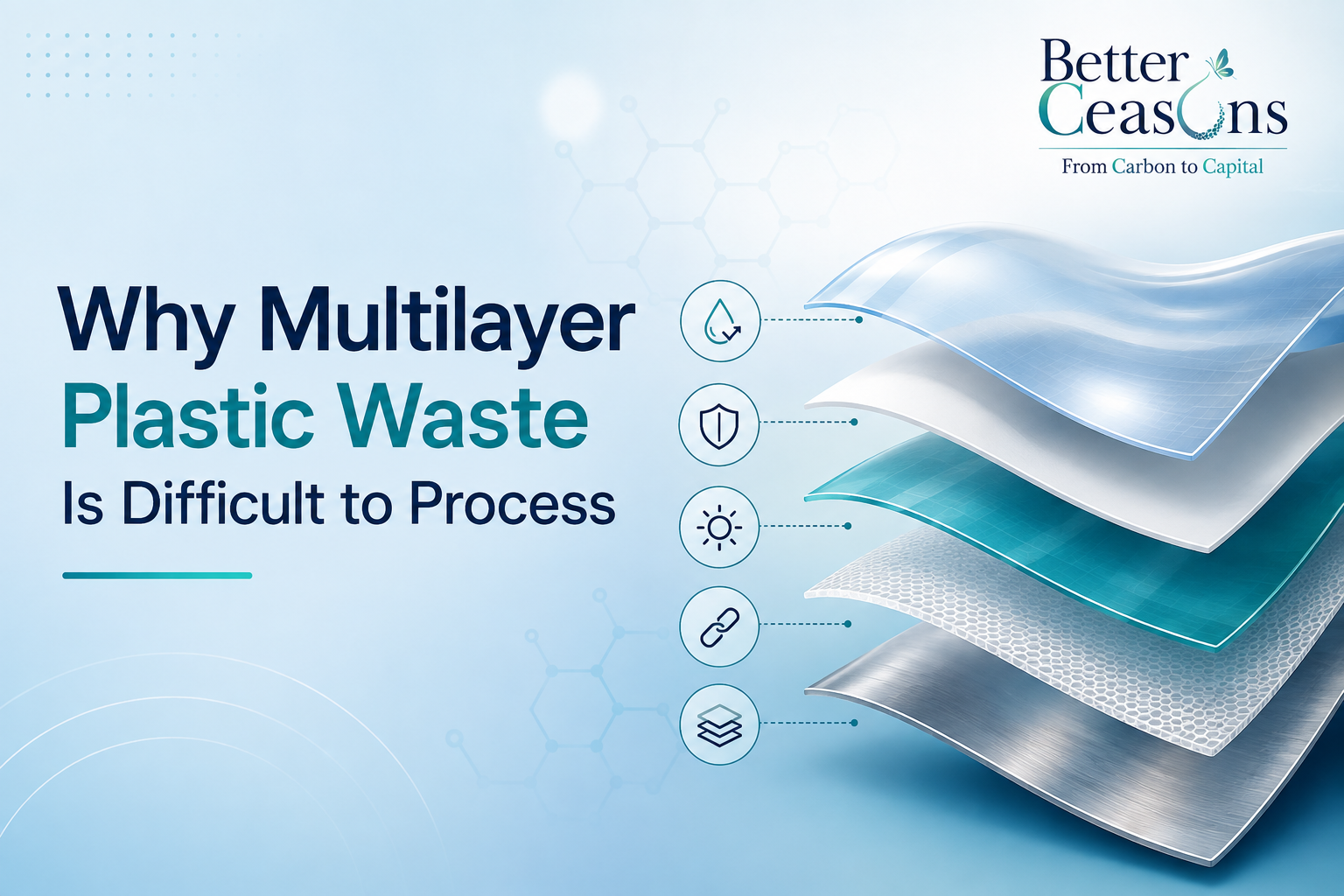
Multilayer plastic waste has become one of the more complicated materials moving through modern waste systems. At first glance, a food pouch, sachet or flexible wrapper may look like a simple piece of plastic. In reality, many of these packages are built from several extremely thin layers joined together to perform different jobs. One layer may help keep moisture out. Another may provide strength. A third may protect the contents from air or light. Printing, adhesives and coatings may be added on top of those layers. This combination makes packaging lightweight, practical and effective during use. The problem appears when the package reaches the end of its useful life. Materials that were deliberately designed to remain permanently bonded can be extremely difficult to separate again. As a result, multilayer packaging creates challenges for sorting facilities, recycling systems and other forms of material recovery. Understanding this difficulty is important because the future of plastic management depends on looking beyond collection and asking what actually happens to a material after it is discarded.
What Is Multilayer Plastic Waste?
Multilayer plastic waste generally comes from packaging made by joining different materials into a single thin structure. Common examples include snack packets, food pouches, sachets, laminated wrappers and flexible packaging used for products that need protection from moisture, oxygen or contamination. Although the finished package may feel like one material, its structure can contain several components. These may include different types of polymers, printing inks, adhesives, coatings and sometimes very thin metallic layers. Each component performs a specific function. The difficulty is that these materials do not automatically behave like one another when the packaging enters a recycling process. A material that looks simple from the outside can therefore become surprisingly complex once processing begins.Why Are Several Layers Used?
Multilayer packaging exists because one material cannot always provide every property a product needs. A package may need to remain flexible while also being strong enough to resist tearing. It may need to block moisture but still allow heat sealing. It may also need to protect food from oxygen, light or external contamination. Instead of making one layer extremely thick, manufacturers can combine several specialised layers. This allows relatively small amounts of different materials to work together. The result can be highly efficient during manufacturing, transportation and product storage. However, the same feature that makes the package effective during use creates a problem later. The layers are not placed loosely on top of one another. They are usually engineered to remain firmly bonded throughout the life of the product. That strength becomes a separation challenge after disposal.The Materials Are Difficult to Separate
One of the biggest reasons multilayer plastic waste is difficult to process is that its components are physically connected. Imagine several sheets so thin that they appear to be one surface. Now imagine those sheets being bonded with heat, adhesives or manufacturing techniques specifically designed to prevent them from separating. Once the package has been used, a recycling facility cannot simply peel these layers apart at scale. Millions of pieces of flexible packaging would need to move through a reliable industrial process capable of recognising the materials, separating them and keeping the recovered material clean enough for reuse. That is much more complicated than processing a relatively uniform stream of one plastic type. It also connects with the wider idea behind The Waste Illusion. A material may disappear from a household once it reaches a bin, but its physical structure continues to determine what can realistically happen next.Different Plastics Behave Differently During Processing
Another challenge comes from the properties of the materials themselves. Plastic is not one single substance. Different polymers can respond differently to heat, pressure and mechanical processing. They may melt at different temperatures or produce different physical properties when combined. This becomes important during mechanical recycling. In a relatively clean and compatible plastic stream, material can often be shredded, cleaned, heated and turned into recycled feedstock. Multilayer packaging can make this process less predictable. If incompatible materials remain mixed together, the recycled output may become weaker, less consistent or unsuitable for higher value applications. The problem is therefore not only whether the material can physically enter a recycling machine. The quality of what comes out matters just as much.Adhesives, Inks and Coatings Add Another Layer of Difficulty
The plastic layers are only part of the story. Packaging also needs branding, instructions, colour, sealing performance and protection. That can introduce inks, pigments, adhesives and specialised coatings. Some packages may also contain metallic barrier layers. Each additional component changes the overall composition of the material. Once the packaging reaches a recovery facility, processors are no longer dealing with clean sheets of plastic. They may be handling printed, bonded and contaminated material that has already been used by consumers. Food residue can make the challenge even harder. The more complicated the incoming material becomes, the more treatment may be needed before useful material can be recovered. This is one reason why collection alone should never be confused with successful recycling.Segregation Helps but Does Not Solve Everything
Separating waste correctly is an important part of responsible waste management. Keeping food waste away from dry recyclable materials can reduce contamination. Separating paper, metals and plastics can also make sorting easier. But multilayer packaging shows the limits of segregation. Even if a person places a pouch in the correct waste category, the materials inside that pouch are still joined together. The package may be correctly collected but remain difficult to process. This wider challenge is reflected in Better Ceasons' discussion around waste segregation. Effective segregation needs support from collection systems, sorting infrastructure and appropriate downstream processing. If suitable recovery infrastructure does not exist, separating the material at home is only the first step. A strong waste system has to work from beginning to end.Why Mechanical Recycling Can Struggle
Mechanical recycling is one of the most familiar ways of recycling plastic. The basic idea is relatively straightforward. Plastic is collected, sorted, cleaned, shredded and processed into material that can be used again. However, the process becomes more complicated when several different polymers are permanently attached to one another. Sorting machinery may identify the package as plastic, but identifying every thin internal layer is more difficult. Even after shredding, the different materials may remain present in the same stream. Heating them together does not automatically create a high quality recycled product. This is one of the biggest differences between simple recyclable packaging and complex multilayer structures. Recyclability depends on more than the visible material. It depends on composition, design, contamination, collection systems and available technology.The Economic Challenge Matters Too
A recycling process also has to make practical sense. Technically separating a complex package may be possible under controlled conditions, but doing it for very large volumes of low weight packaging can be expensive. Flexible packaging often contains only a small amount of material in each individual item. That is part of what makes it efficient during transportation and product use. But recovering small quantities of several different materials from each discarded packet can require significant sorting and processing. If the cost of collecting, separating and refining the material becomes higher than the value of the recovered output, recycling becomes more difficult to sustain commercially. The challenge is therefore both technological and economic.Multilayer Plastic Waste Can Also Mean Lost Resources
When complex packaging cannot be effectively recovered, the issue goes beyond disposal. Useful material leaves circulation. Virgin resources may then be required to manufacture replacement packaging. This creates a repeated pattern in which materials are extracted, manufactured, used briefly and then removed from productive use. A more circular approach tries to extend the useful life of materials. Better Ceasons explores this wider shift through its focus on waste, carbon and resource recovery, encouraging a move away from seeing every discarded material simply as something that needs to disappear. The important question becomes what useful pathway remains after the product has completed its first purpose.Better Packaging Design Can Reduce Future Problems
One of the most promising ways to deal with multilayer plastic waste begins before the material becomes waste. Packaging can be designed with recovery in mind. Where technically possible, manufacturers can reduce the number of incompatible materials used in a package. Some products may be able to move toward simpler structures or compatible materials that provide similar performance while improving recyclability. Printing, adhesives and coatings can also be considered as part of the overall design. This does not mean every package can immediately become a single material. Food safety, product protection and shelf life still matter. The goal is to balance these requirements with better end of life outcomes. Good waste management therefore begins partly at the design table.Can New Technologies Help Process Multilayer Plastics?
New processing technologies are being explored because conventional recycling cannot effectively handle every plastic stream. Some approaches aim to separate bonded layers. Others attempt to selectively recover particular polymers. Chemical and controlled thermal processing methods are also being examined for materials that are difficult to recycle mechanically. These technologies may provide additional pathways, but no single process should be treated as a universal solution. Different waste streams have different characteristics. A process suitable for one material may not be suitable for another. Energy use, emissions, transport, preparation requirements and the quality of recovered outputs also need to be considered. This wider perspective is important when exploring topics such as pyrolysis and net zero. Technology needs to be evaluated as part of a complete waste and carbon system rather than as an isolated answer.Why the Whole Waste Journey Matters
Multilayer packaging reveals a broader truth about modern waste. A product's environmental journey does not begin at the recycling plant. It begins with material selection and product design. It continues through manufacturing, transportation, consumer use, collection, segregation, sorting and processing. Every stage affects what becomes possible later. Better design can improve recovery. Cleaner collection can reduce contamination. Better sorting can create more useful material streams. Improved technology may create new options for materials that are currently difficult to handle. The most effective approach connects all of these stages.Moving Beyond the Idea That All Plastic Is the Same
One of the biggest mistakes in conversations about plastic recycling is treating every plastic product as though it belongs to one simple category. It does not. A transparent bottle, rigid container, flexible film and multilayer pouch may all be described as plastic, yet their composition and processing requirements can be completely different. That is why multilayer plastic waste deserves specific attention. Its difficulty comes from the very qualities that make the packaging useful. Multiple materials provide protection and performance, but those same materials can become difficult to separate, sort and recover after use. There is no single answer. Better packaging design, stronger collection systems, appropriate segregation, improved recycling infrastructure and carefully selected processing technologies all have roles to play. Better Ceasons encourages a broader way of looking at materials after use. Instead of assuming that disposal is the end of the journey, the more useful question is what responsible next step can preserve value while reducing environmental impact. Multilayer plastic waste may be difficult to process, but understanding why it is difficult is the first step toward building better material systems.How to Improve the Management of Multilayer Plastic Waste
A practical approach to reducing the environmental impact of multilayer plastic waste through better design, collection, segregation, sorting, recycling and suitable processing technologies.
Design packaging with recovery in mind
Consider end of life recovery during packaging design by reducing unnecessary material complexity where product performance and safety requirements allow.
Use simpler or compatible material combinations
Where technically possible, reduce incompatible layers and use materials that are easier to process together.
Review inks, adhesives and coatings
Consider how printing inks, adhesives, coatings and barrier materials affect the recyclability and overall processing requirements of the package.
Improve collection systems
Ensure multilayer packaging enters reliable collection systems rather than being lost through uncontrolled disposal or leakage into the environment.
Segregate waste properly
Keep flexible and multilayer packaging away from food waste and other contaminants so downstream sorting and recovery become easier.
Improve sorting
Use appropriate sorting infrastructure to identify and separate plastic streams according to their composition and processing requirements.
Use mechanical recycling where suitable
Direct compatible multilayer structures towards mechanical recycling when their composition, cleanliness and available infrastructure make this technically appropriate.
Evaluate advanced processing technologies
For materials that cannot be effectively handled through conventional mechanical recycling, evaluate suitable separation, chemical or controlled thermal processing technologies.
Assess the complete environmental impact
Consider energy use, emissions, transportation, preparation requirements and the quality of recovered outputs when selecting a processing pathway.
Key Questions Answered
What is multilayer plastic waste?↓
Multilayer plastic waste comes from packaging or products made using two or more bonded material layers. These layers can include different plastics, coatings, inks, adhesives and sometimes metallic barriers.
Why is multilayer plastic difficult to recycle?↓
Different materials are tightly bonded and may have different processing properties. Separating them can be difficult, while recycling incompatible materials together can reduce the quality of the recovered output.
Can multilayer plastic packaging be mechanically recycled?↓
Some multilayer structures may be mechanically processed depending on their composition and local infrastructure. However, complex or incompatible combinations can create significant processing challenges.
Does waste segregation solve the multilayer plastic problem?↓
Segregation helps reduce contamination and improves collection, but it does not separate the individual layers inside a multilayer package. Suitable downstream technology is still required.
Can multilayer packaging be designed for better recyclability?↓
Yes. Simpler material combinations, compatible polymers, improved adhesives and recyclable packaging structures can make future recovery easier where product requirements allow.
What can reduce the environmental impact of multilayer plastic waste?↓
Better product design, responsible consumption, efficient collection, proper segregation, improved sorting, mechanical recycling where suitable and appropriate advanced processing technologies can all contribute to reducing the environmental impact of difficult plastic waste streams.
Written by Team Better Ceasons
Better Ceasons Editorial Team
Better Ceasons is a clean-technology enterprise transforming municipal solid waste streams into high-value carbon resources and renewable energy.
Explore Clean Tech Solutions
Better Ceasons has developed a solution that converts suitable plastic waste into fuel, supporting responsible resource recovery.
Explore Partnerships