
2026-09-256 min readBy Team Better Ceasons
The Future of Waste Management in Cities
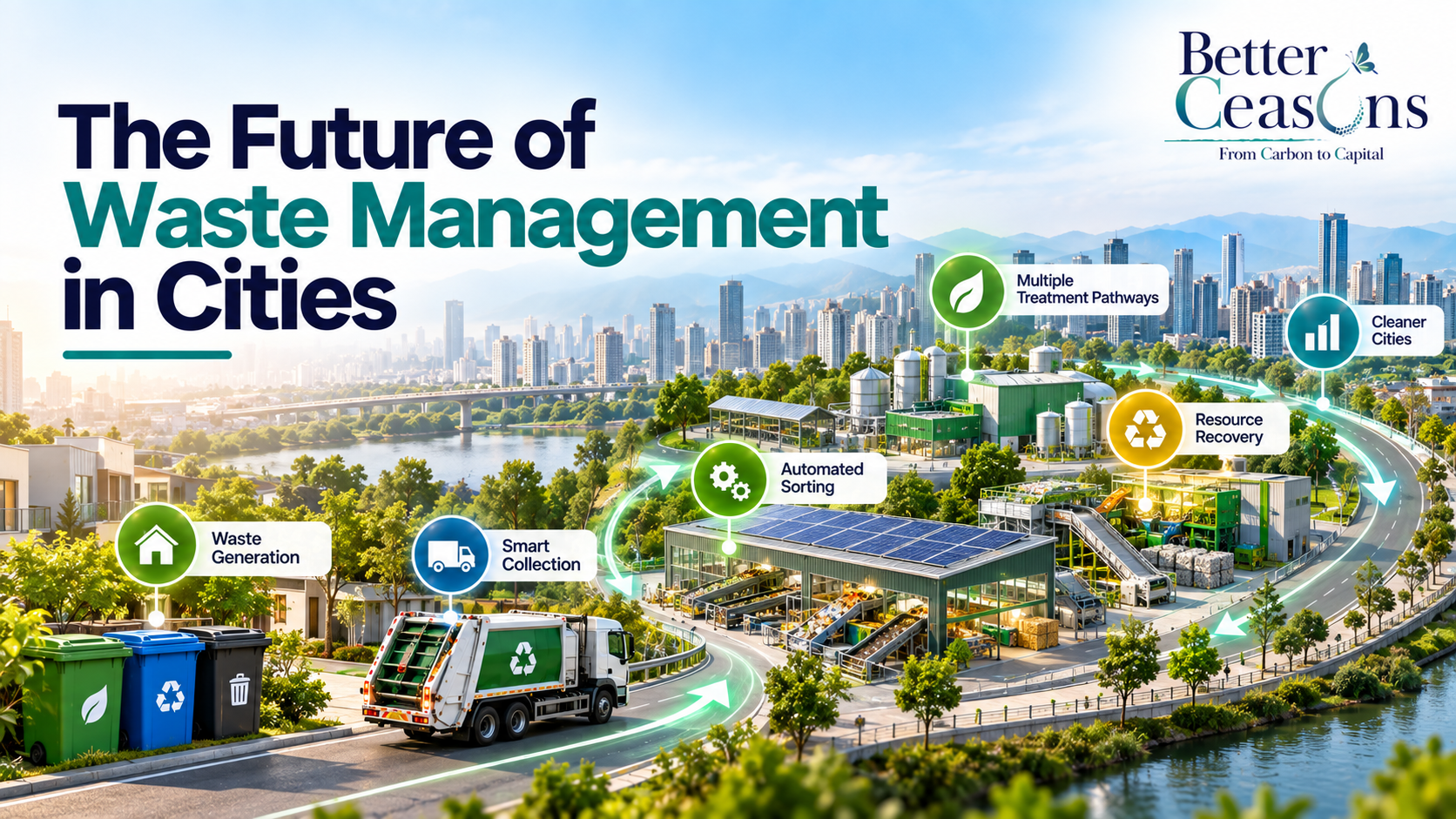
The future of waste management in cities will rely on better data, smarter collection, improved segregation, automated sorting, multiple treatment pathways a...
Deepening the conversation around sanitation, carbon, and conversion. We write to understand what is avoided and uncover value where others see discomfort.
The future of waste management in cities will rely on better data, smarter collection, improved segregation, automated sorting, multiple treatment pathways a...
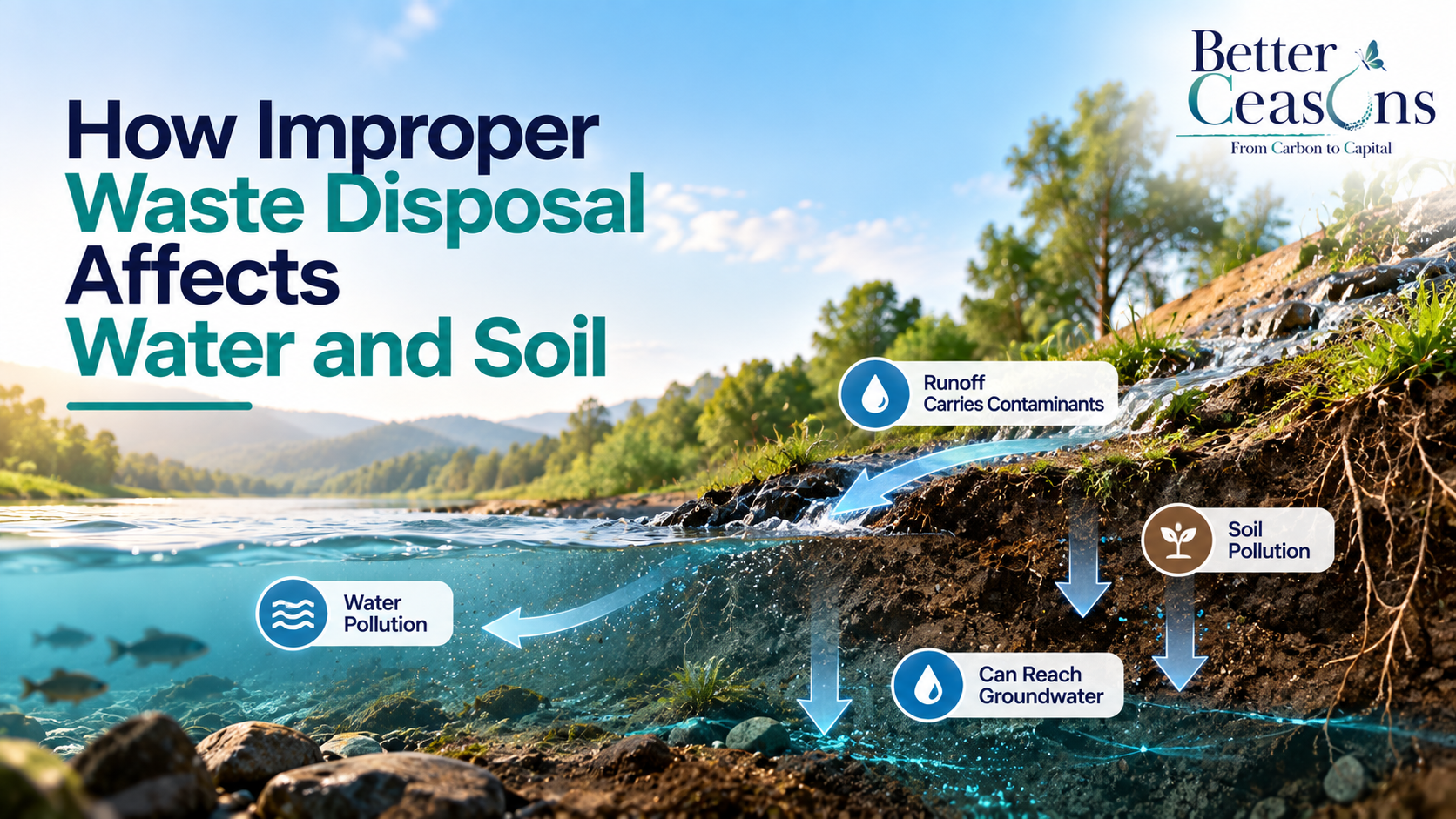
Improper waste disposal can affect soil and water when rain, runoff, leakage and fragmented materials carry contaminants away from uncontrolled waste sites. ...
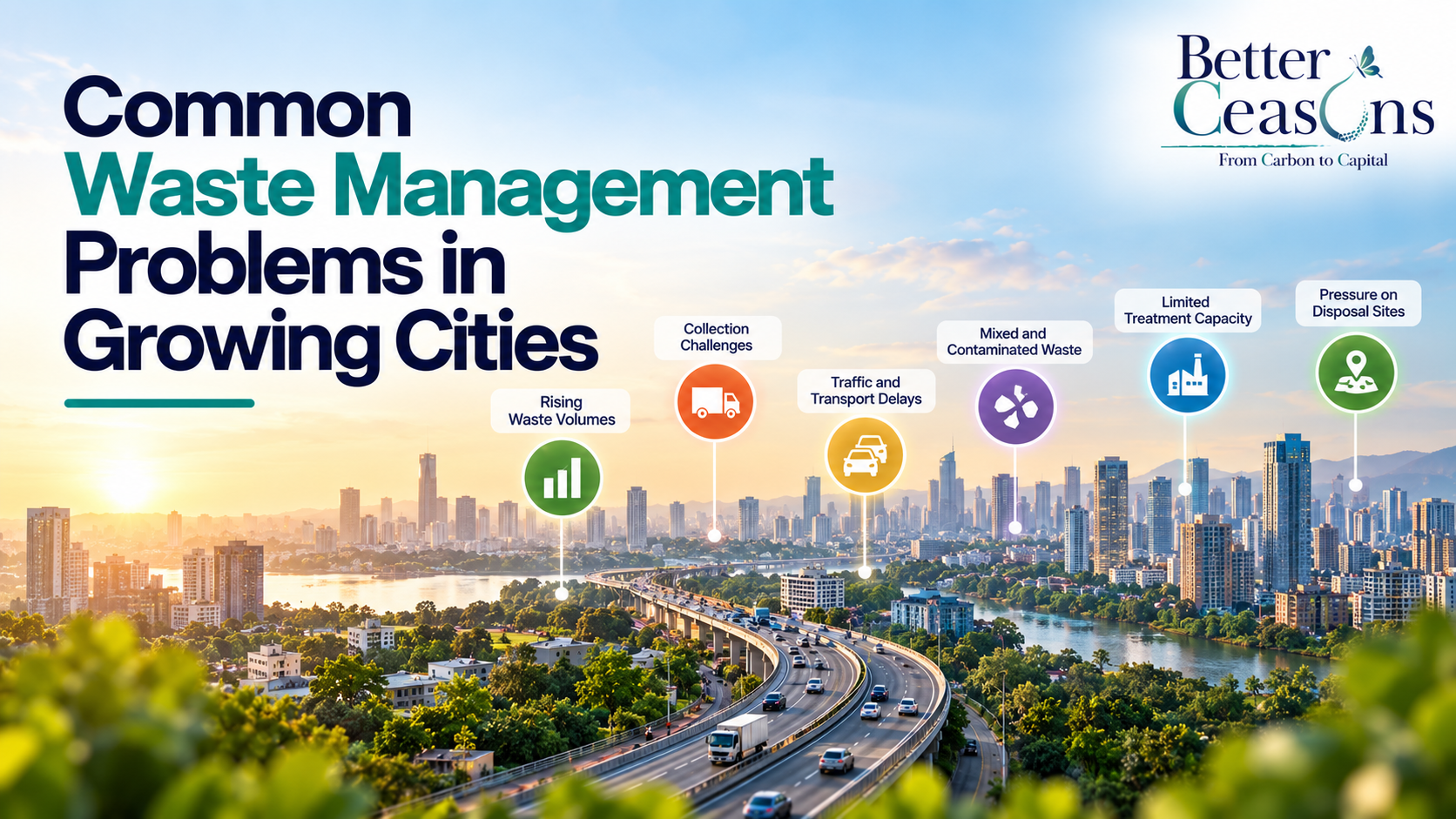
Common waste management problems in growing cities include rising waste volumes, incomplete collection, traffic-related transport delays, contamination, limi...
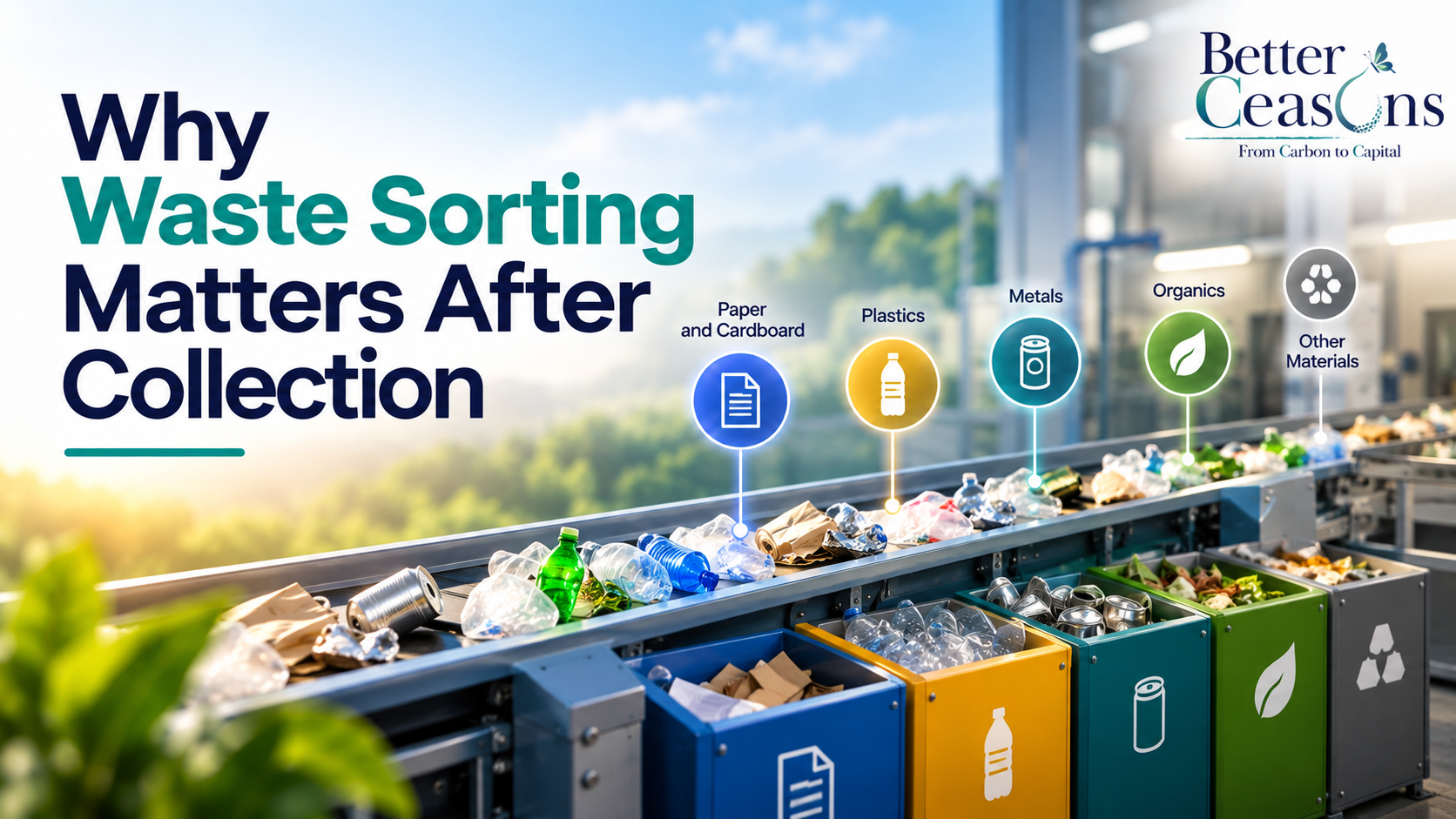
The waste sorting process separates collected waste into different material categories so that recyclable, recoverable, organic, hazardous and residual strea...
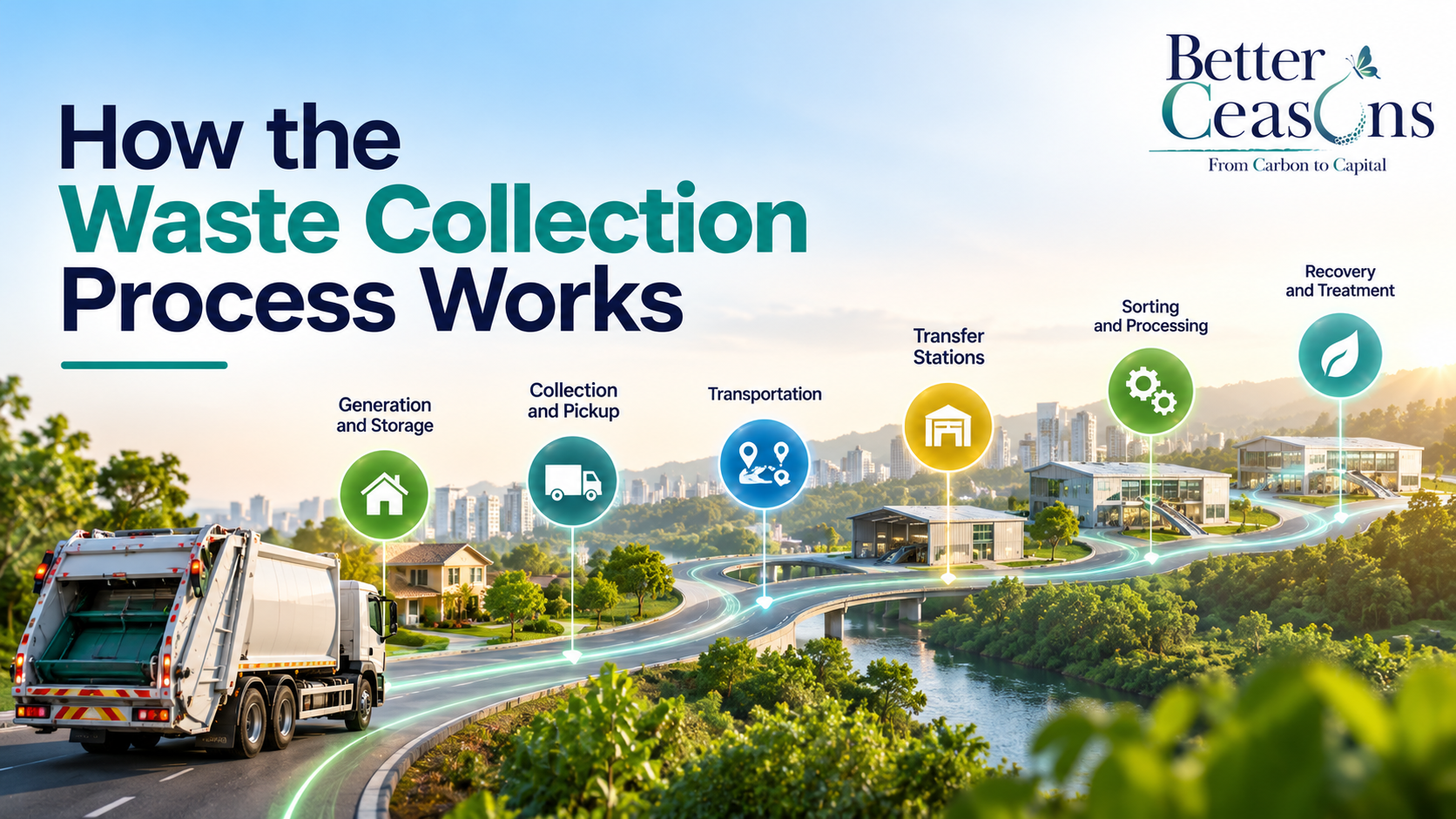
The waste collection process moves discarded material from homes, businesses and public spaces into a wider waste-management system. After pickup, waste may ...
Clean energy innovation in waste treatment focuses on recovering useful energy from suitable waste streams while improving process efficiency, emissions cont...
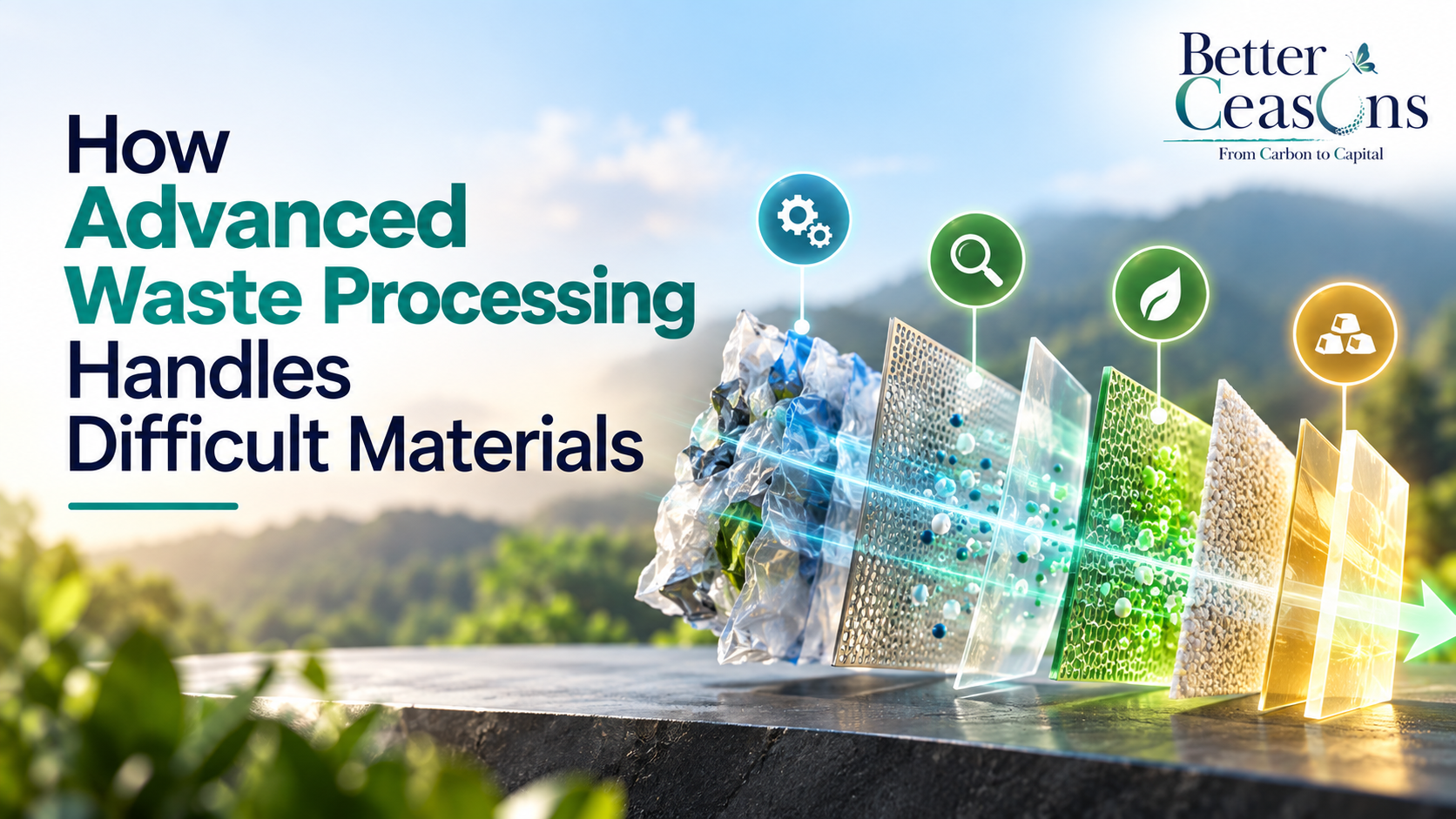
Advanced waste processing uses specialised mechanical, biological, chemical and thermal systems to manage waste streams that conventional recovery may strugg...
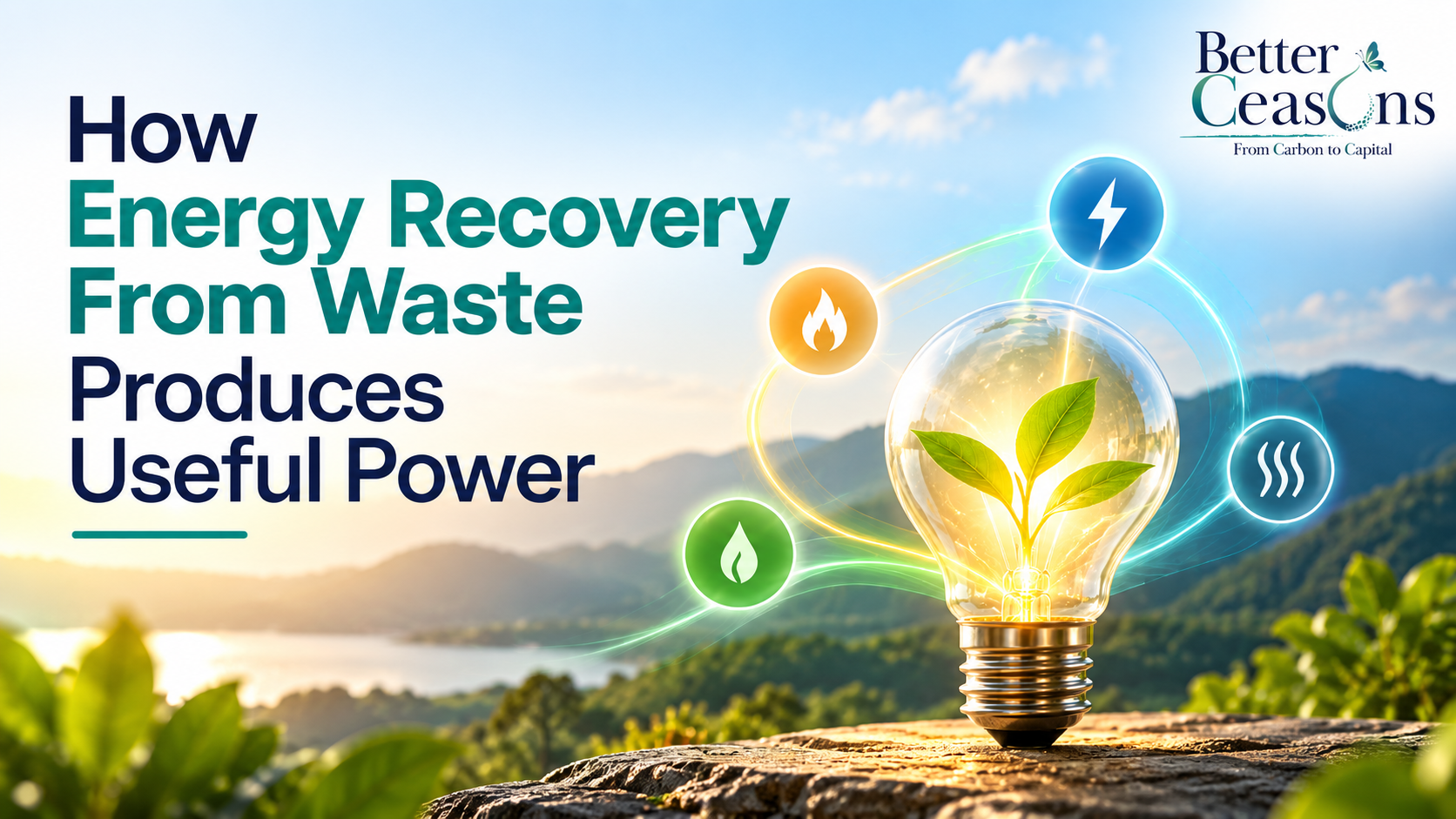
Energy recovery from waste captures usable energy from suitable waste streams through processes such as biological treatment, controlled combustion, gasifica...
Resource recovery from waste means recovering useful materials, energy or other value from waste instead of treating everything as material for final disposa...
Waste conversion technology refers to processes that transform suitable waste into another form when conventional recovery may be difficult. Depending on the...
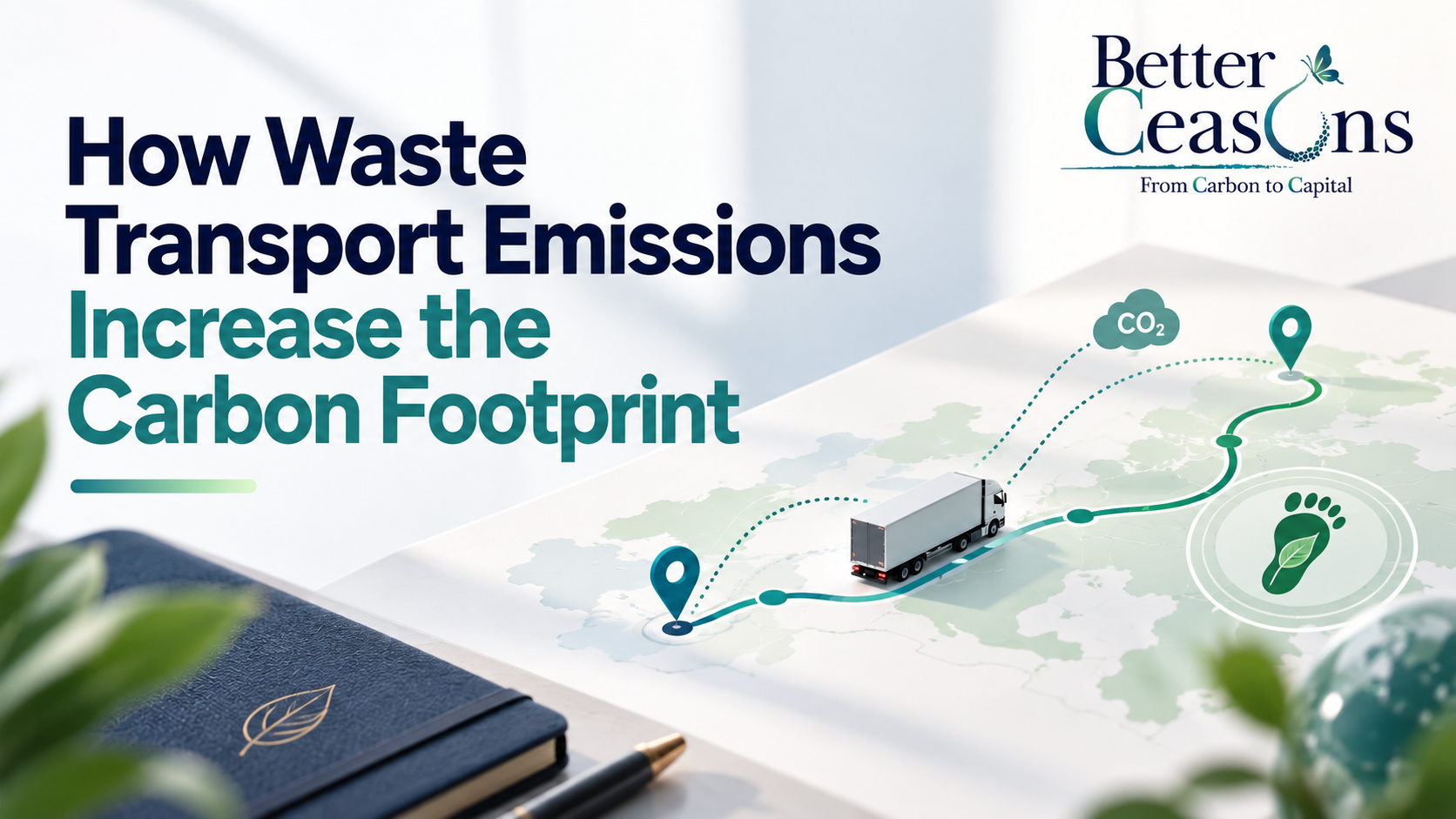
Waste transport emissions are created when vehicles collect and move waste between generation points, transfer stations, sorting facilities and treatment sit...
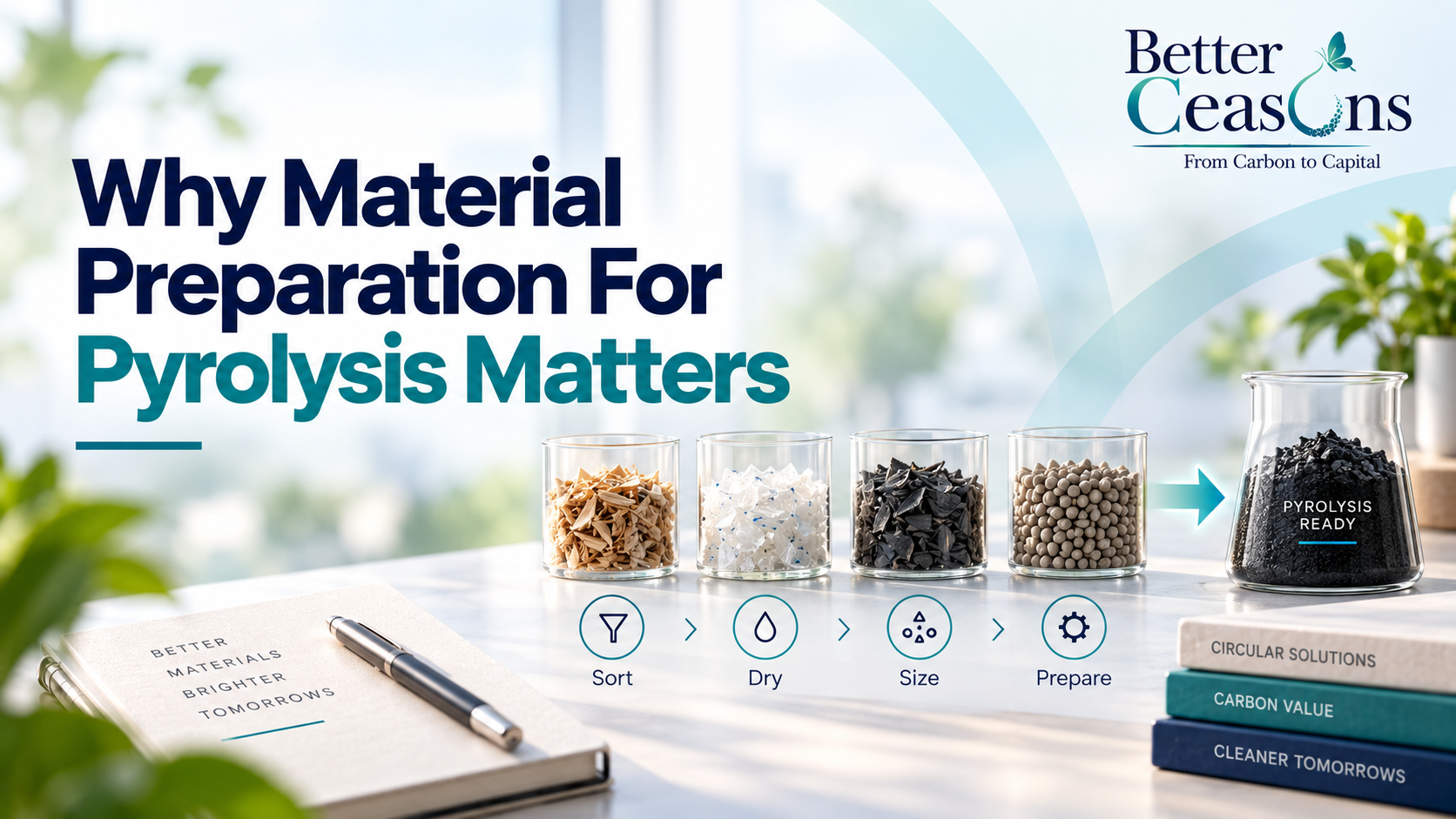
Material preparation for pyrolysis helps create more consistent reactor conditions by controlling feedstock composition, moisture, contamination and particle...
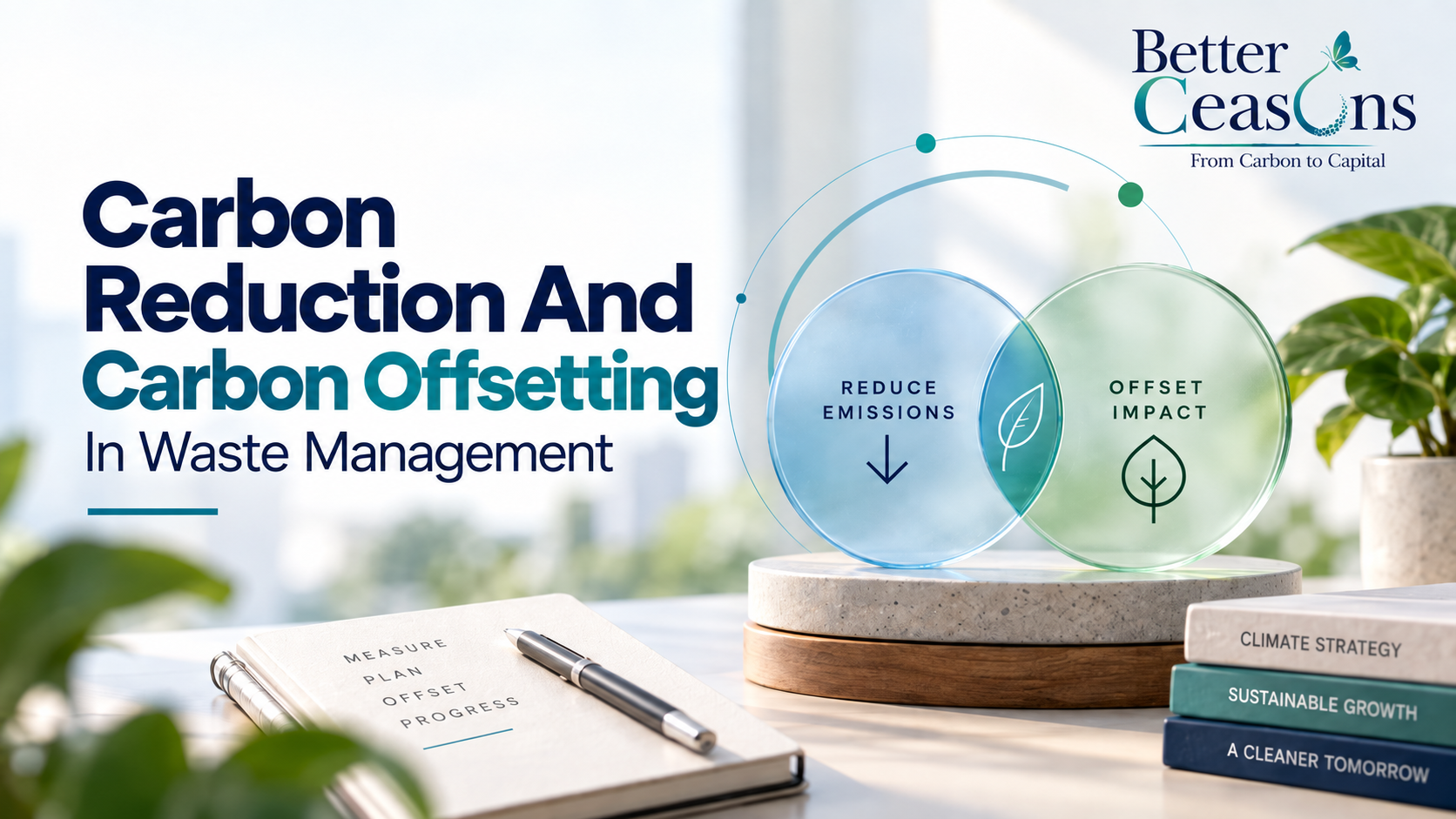
Carbon reduction and carbon offsetting are not the same. Carbon reduction directly lowers greenhouse gas emissions from an activity, while carbon offsetting ...
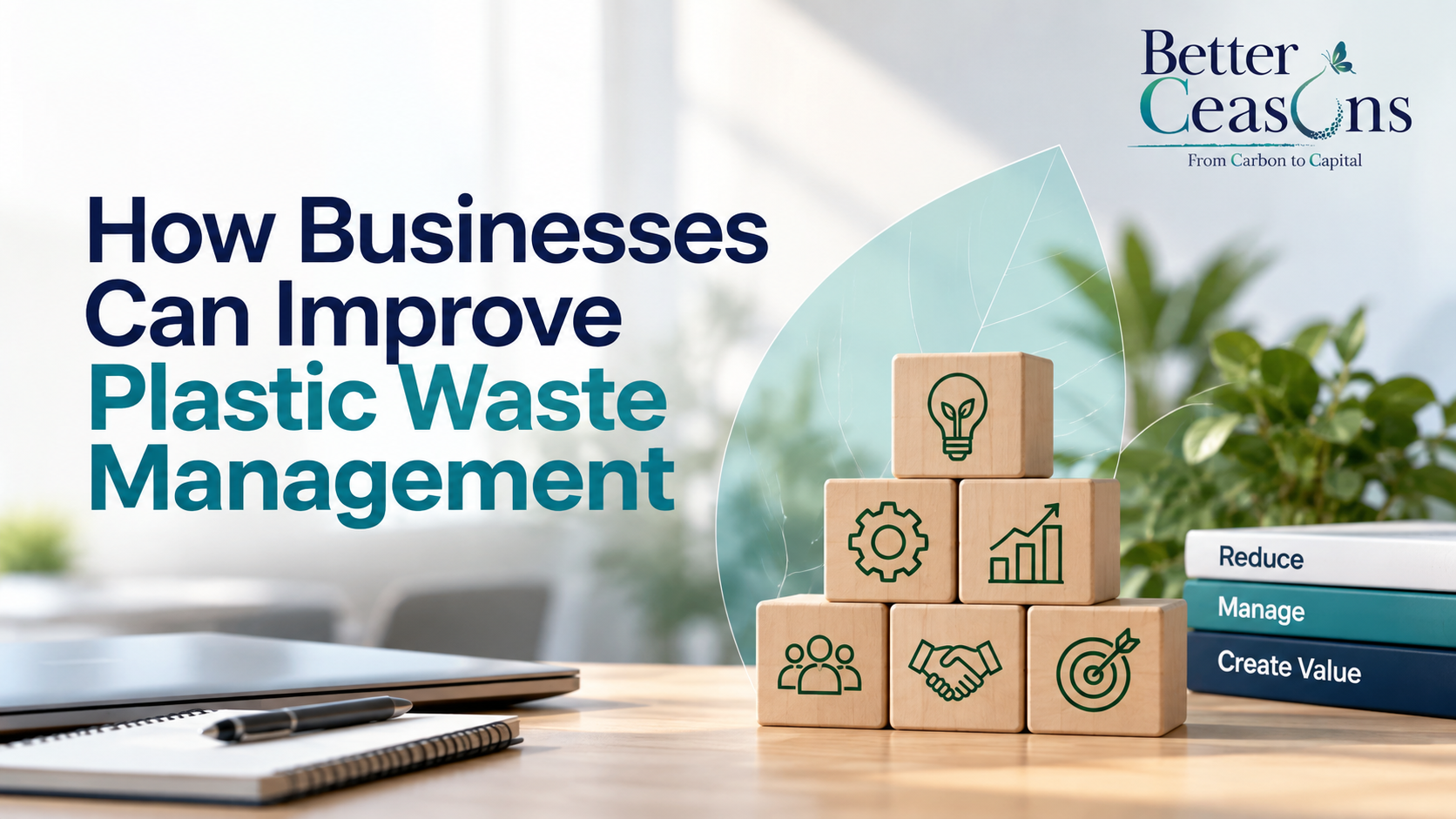
Businesses can improve business plastic waste management by first understanding the types of plastic they generate, reducing unnecessary material, preventing...
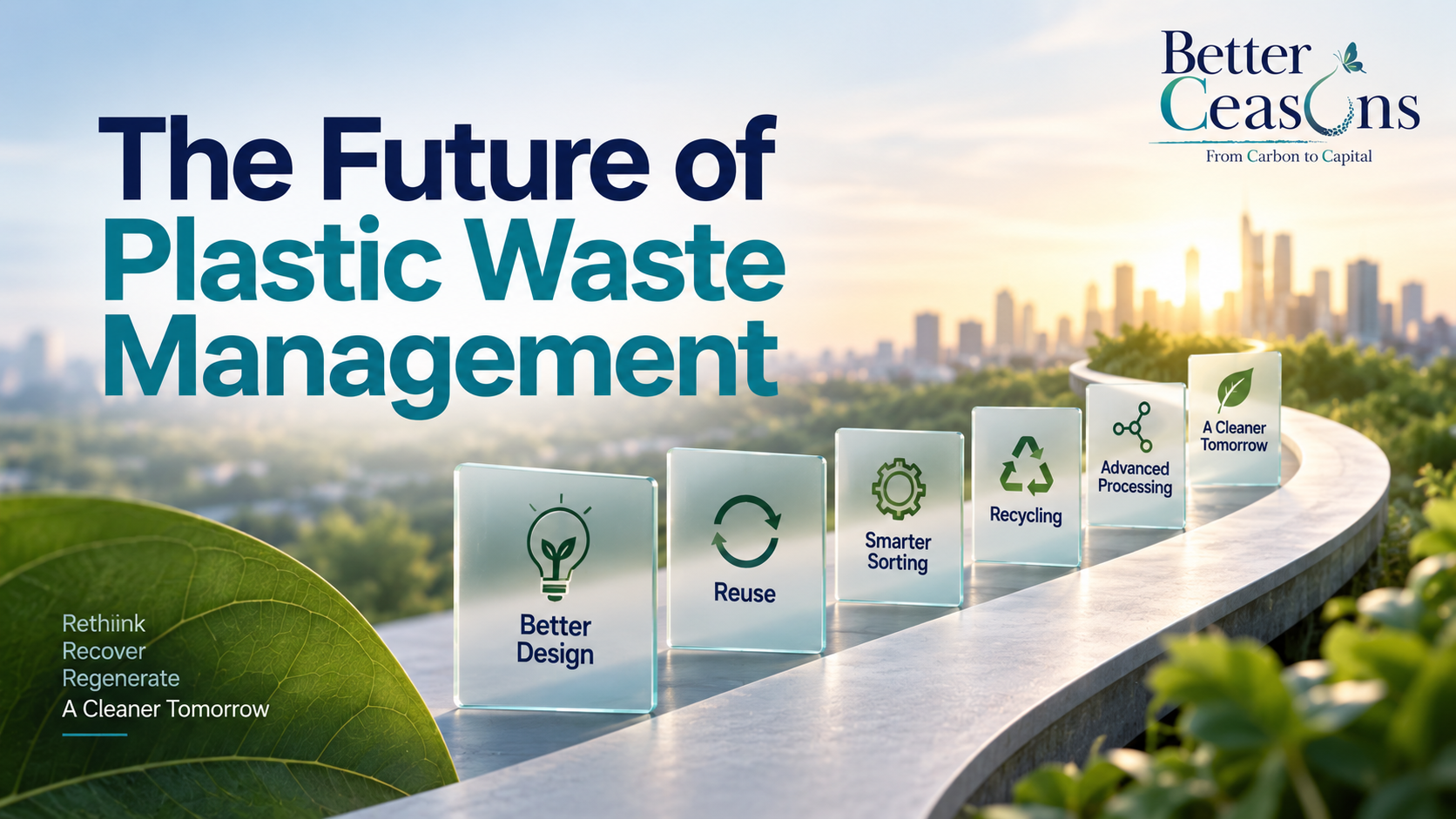
The future of plastic waste management will combine waste prevention, better product design, reuse, mechanical recycling, smarter sorting and specialised treatm...
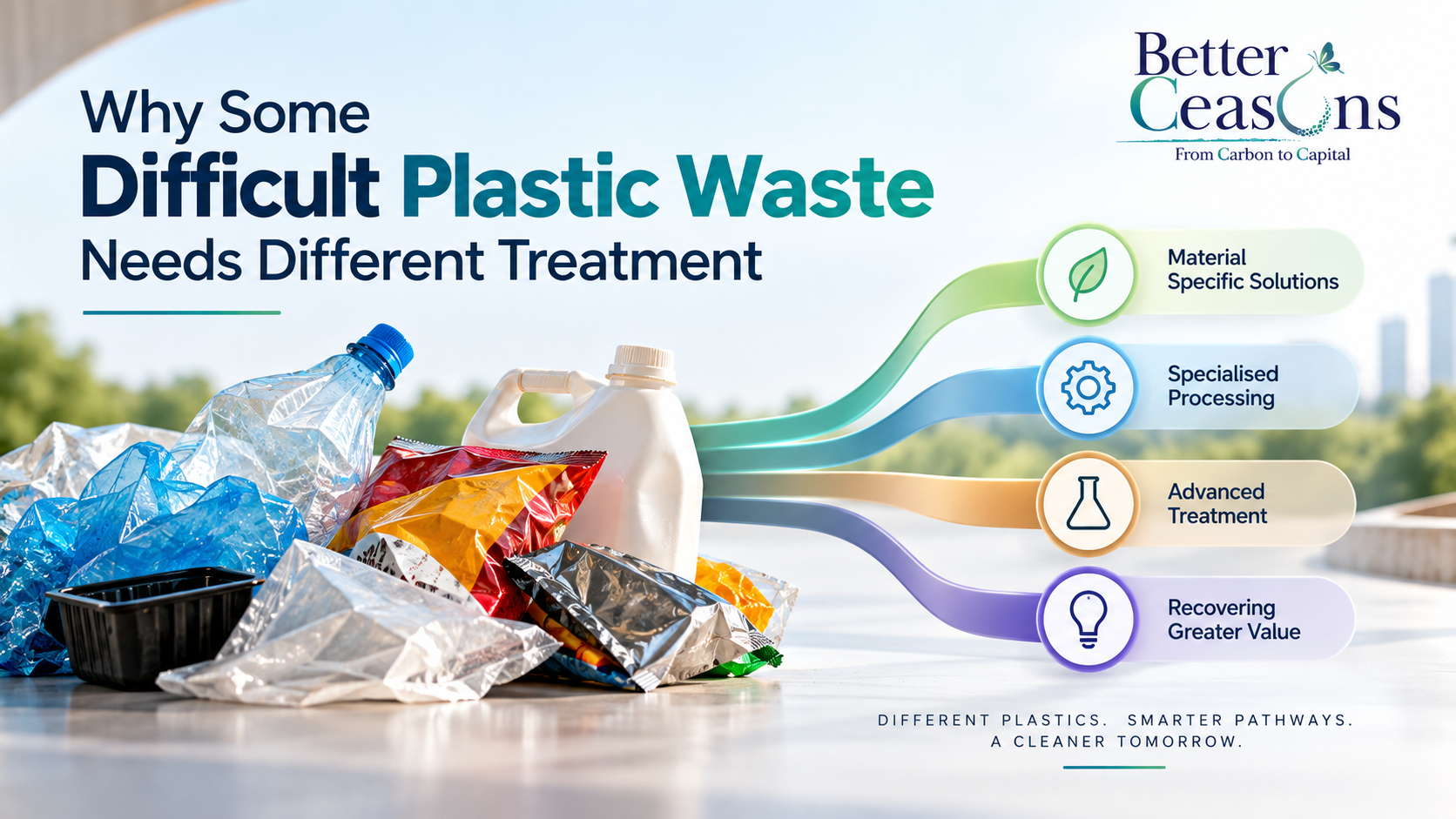
Difficult plastic waste includes mixed polymers, multilayer packaging, heavily contaminated plastic and degraded materials that standard recycling systems...
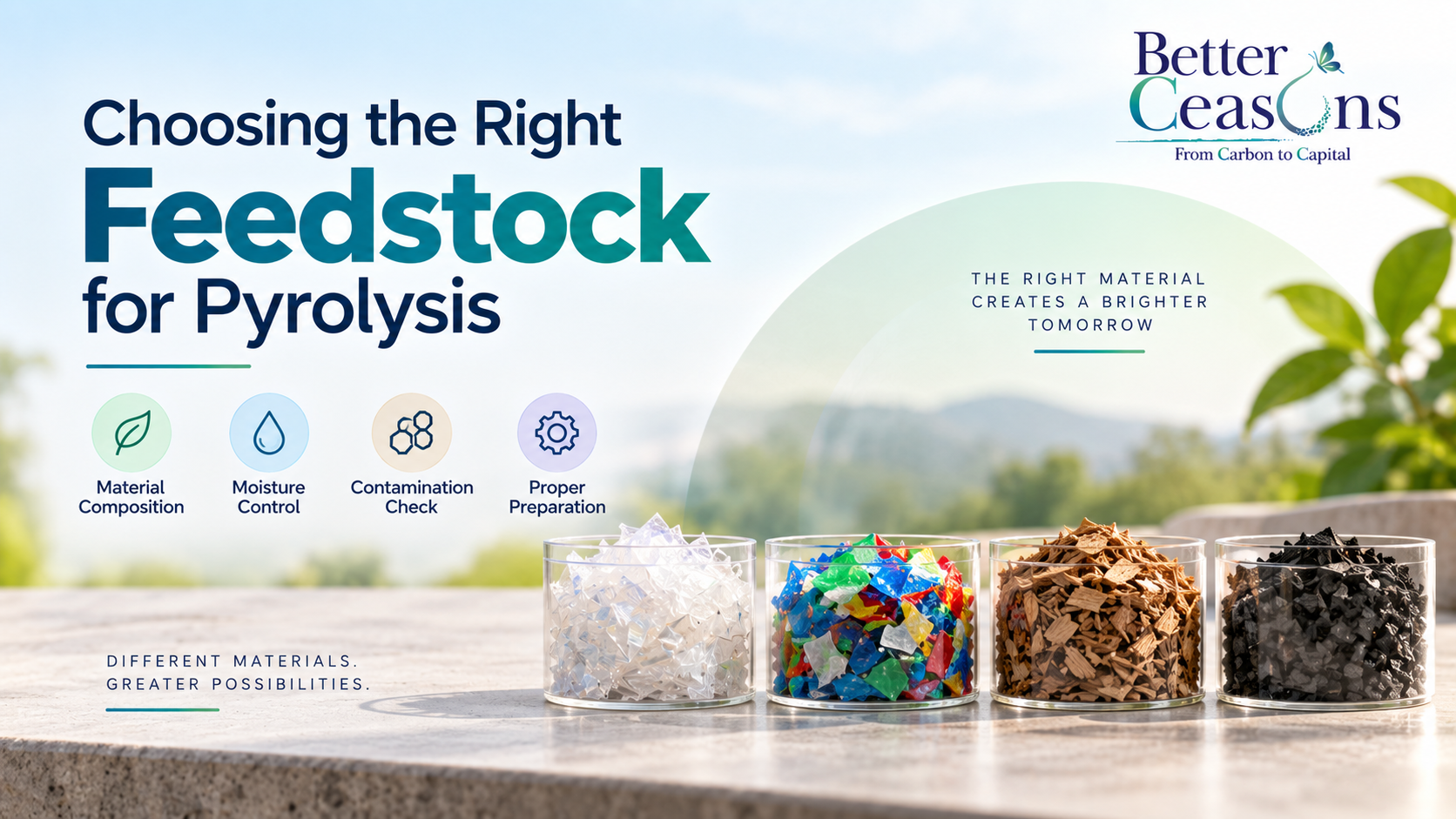
Choosing the right feedstock for pyrolysis means assessing material composition, moisture, contamination, particle size and compatibility with the reactor....
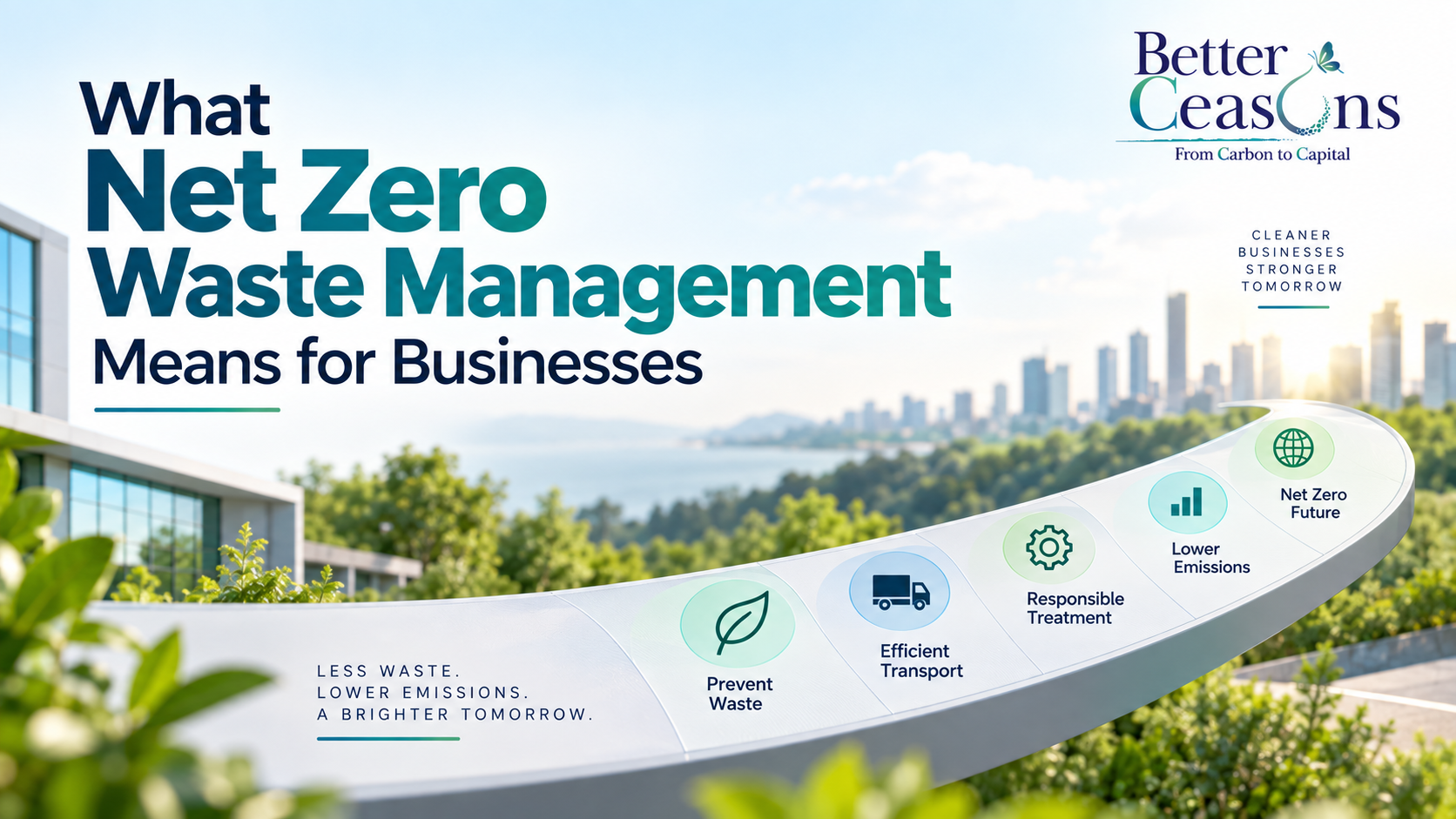
Net zero waste management means reducing greenhouse gas emissions associated with waste as far as reasonably possible and addressing residual emissions as...
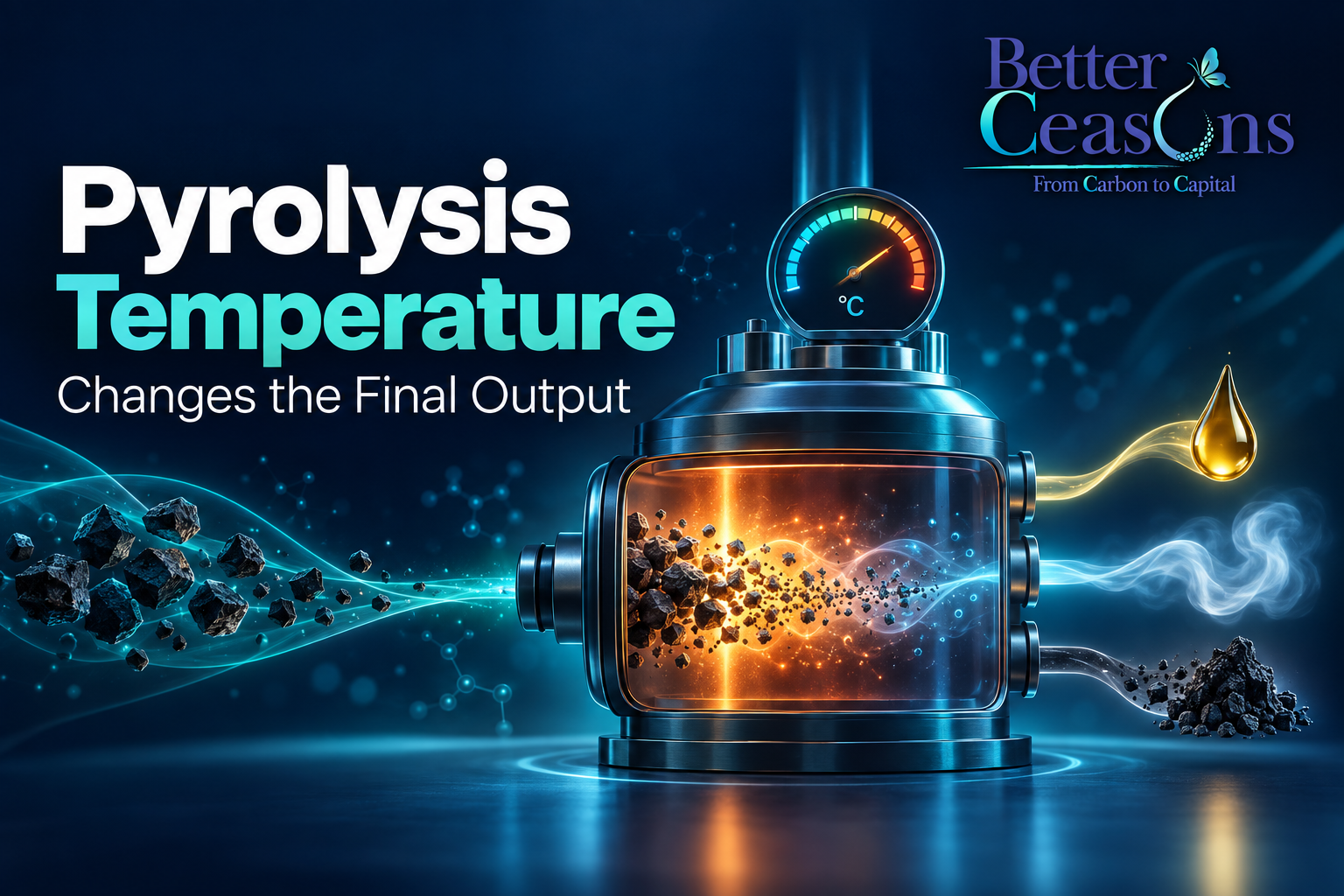
Pyrolysis temperature affects how a suitable feedstock breaks down during controlled heating and can influence the relative amounts and characteristics of...
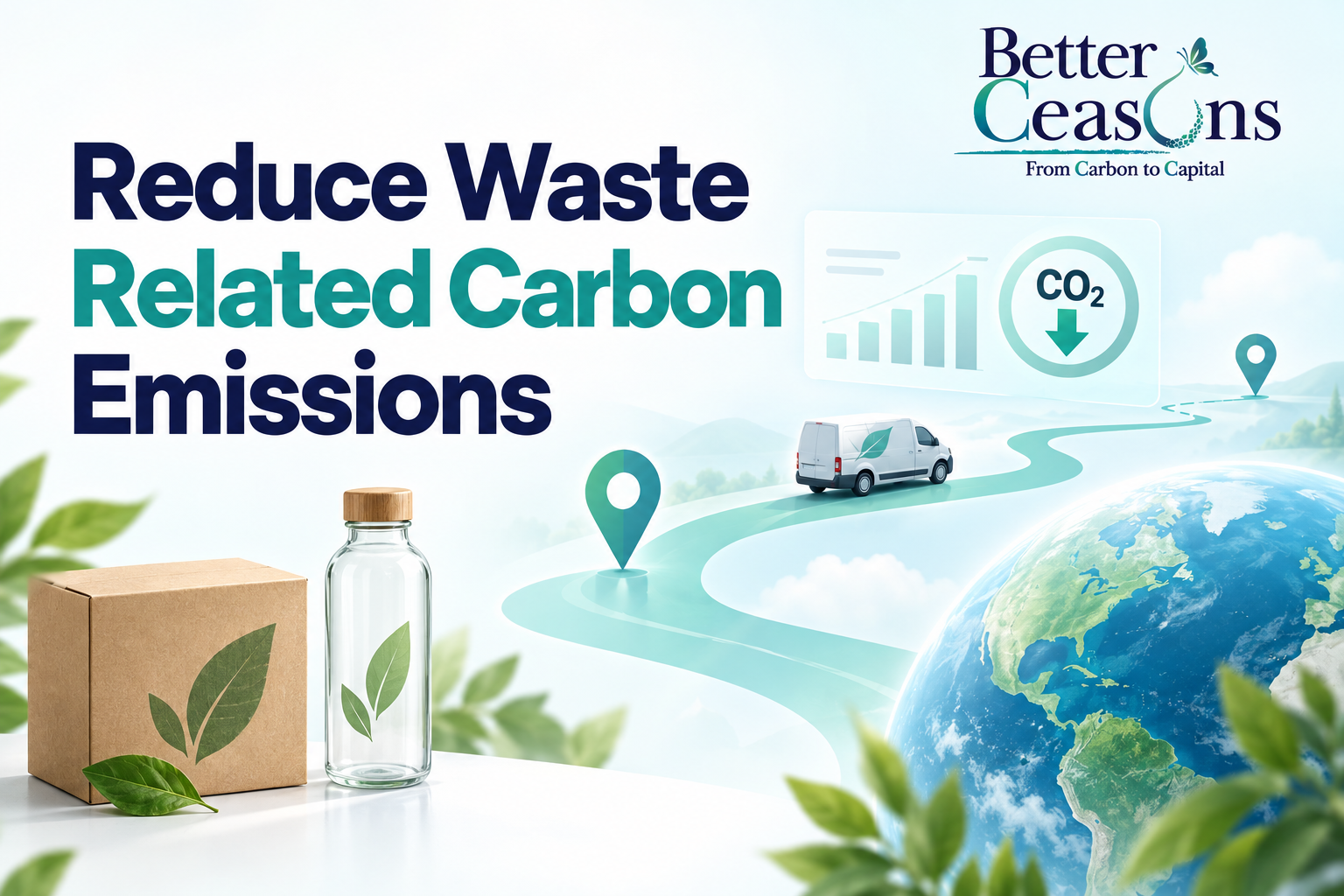
Businesses can reduce waste related carbon emissions by preventing unnecessary waste, keeping recoverable materials cleaner, improving collection routes,...
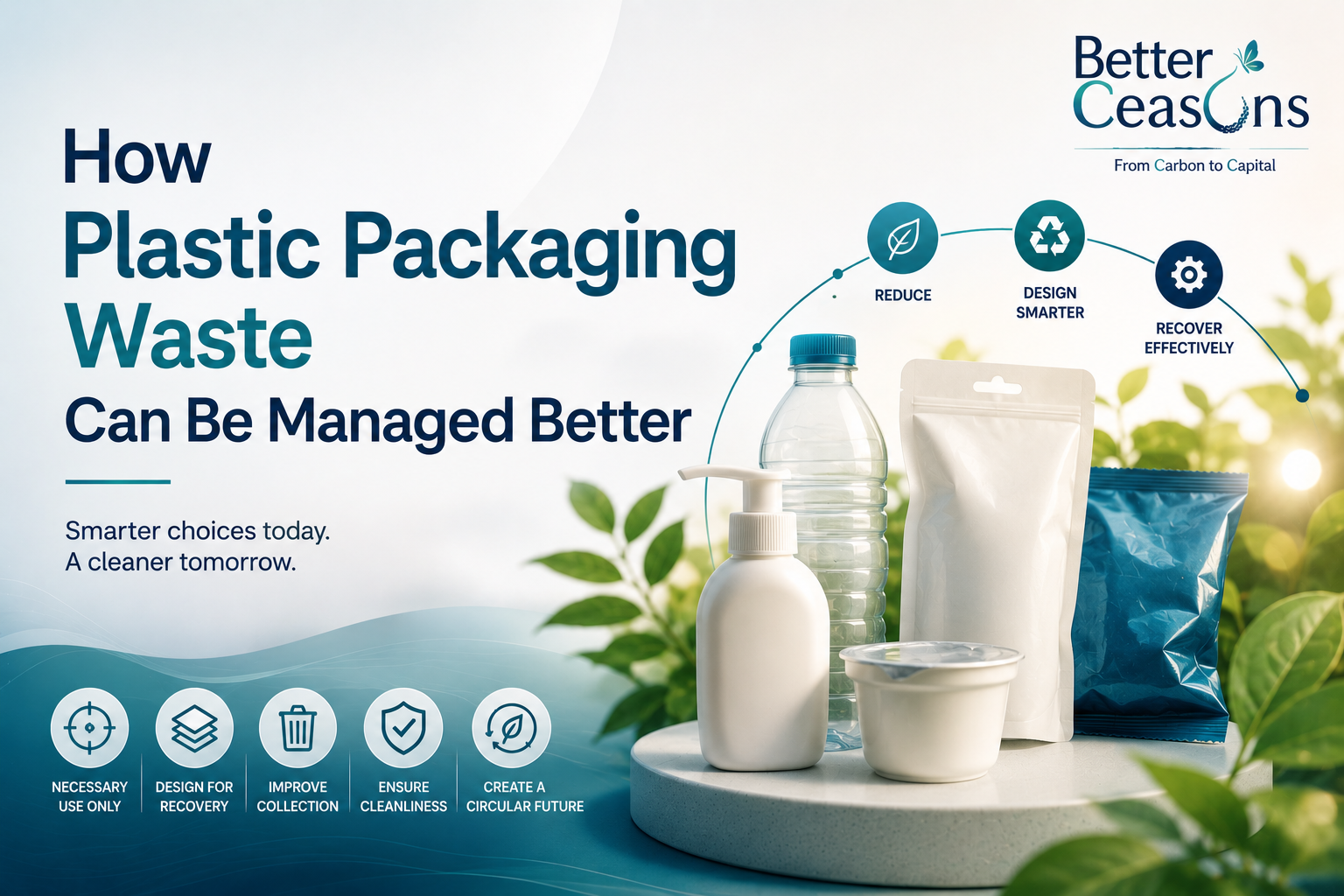
Plastic packaging is usually designed around one central...
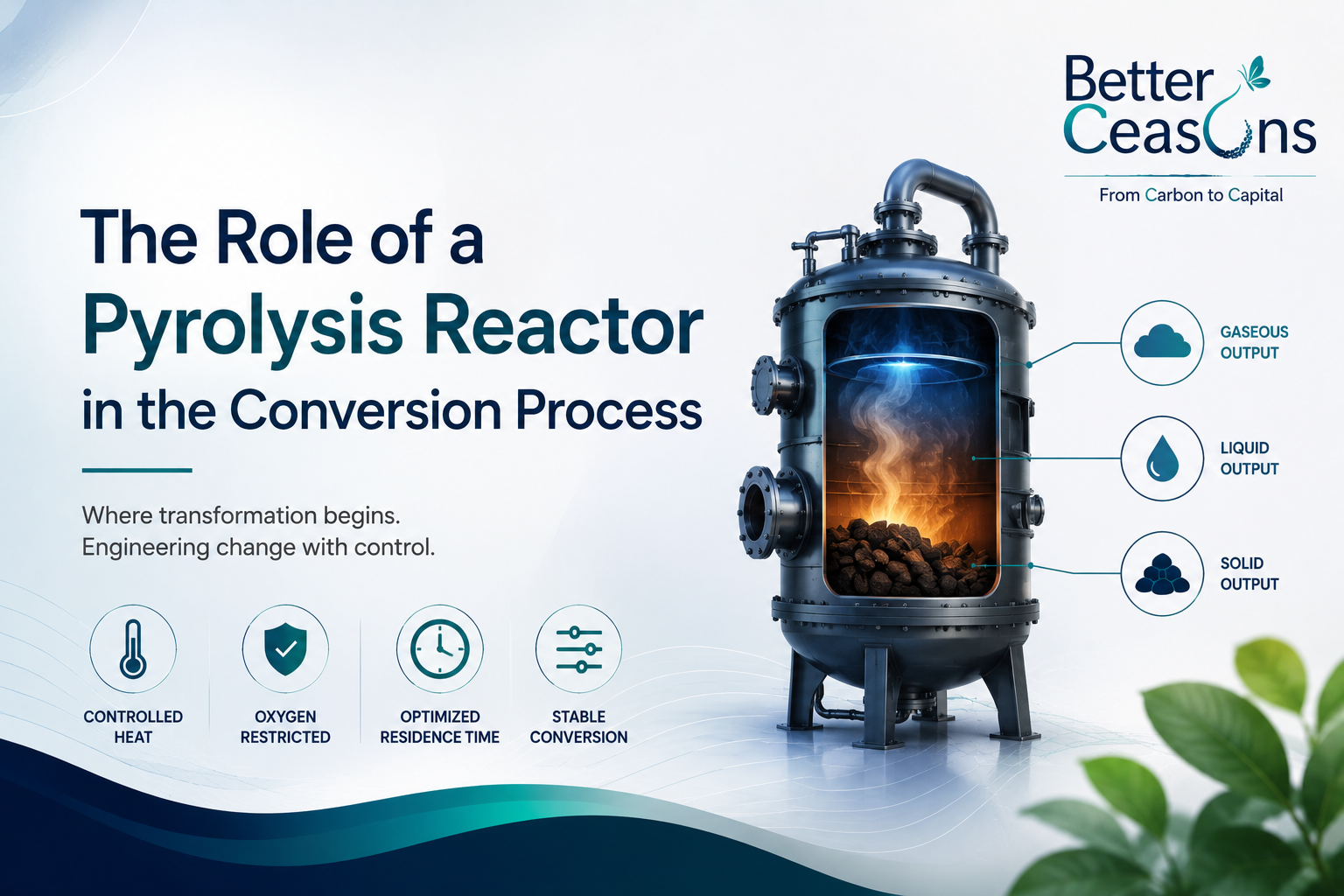
The pyrolysis reactor is where one of the most important changes in the entire pyrolysis system takes...
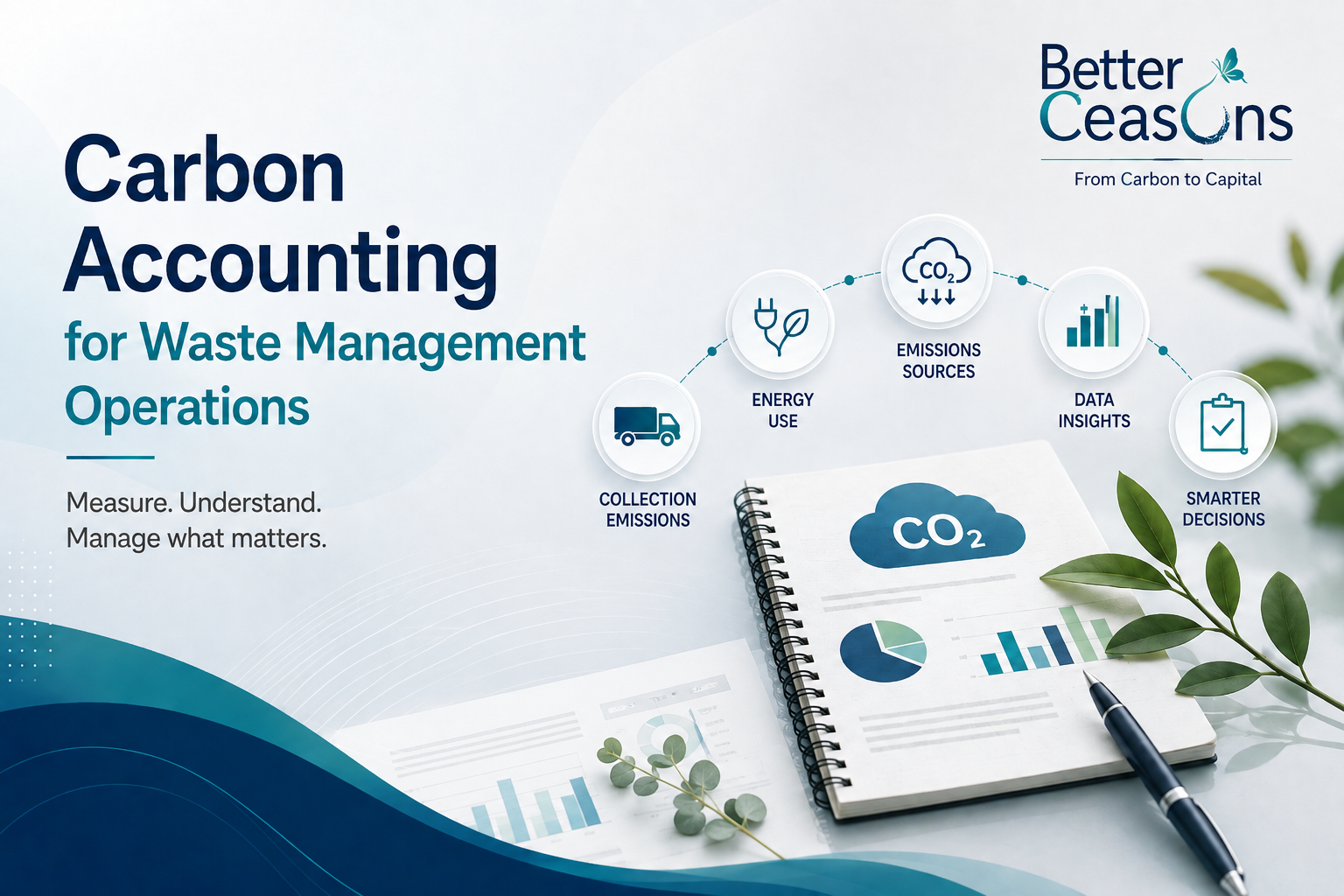
Waste management businesses collect enormous amounts of operational...
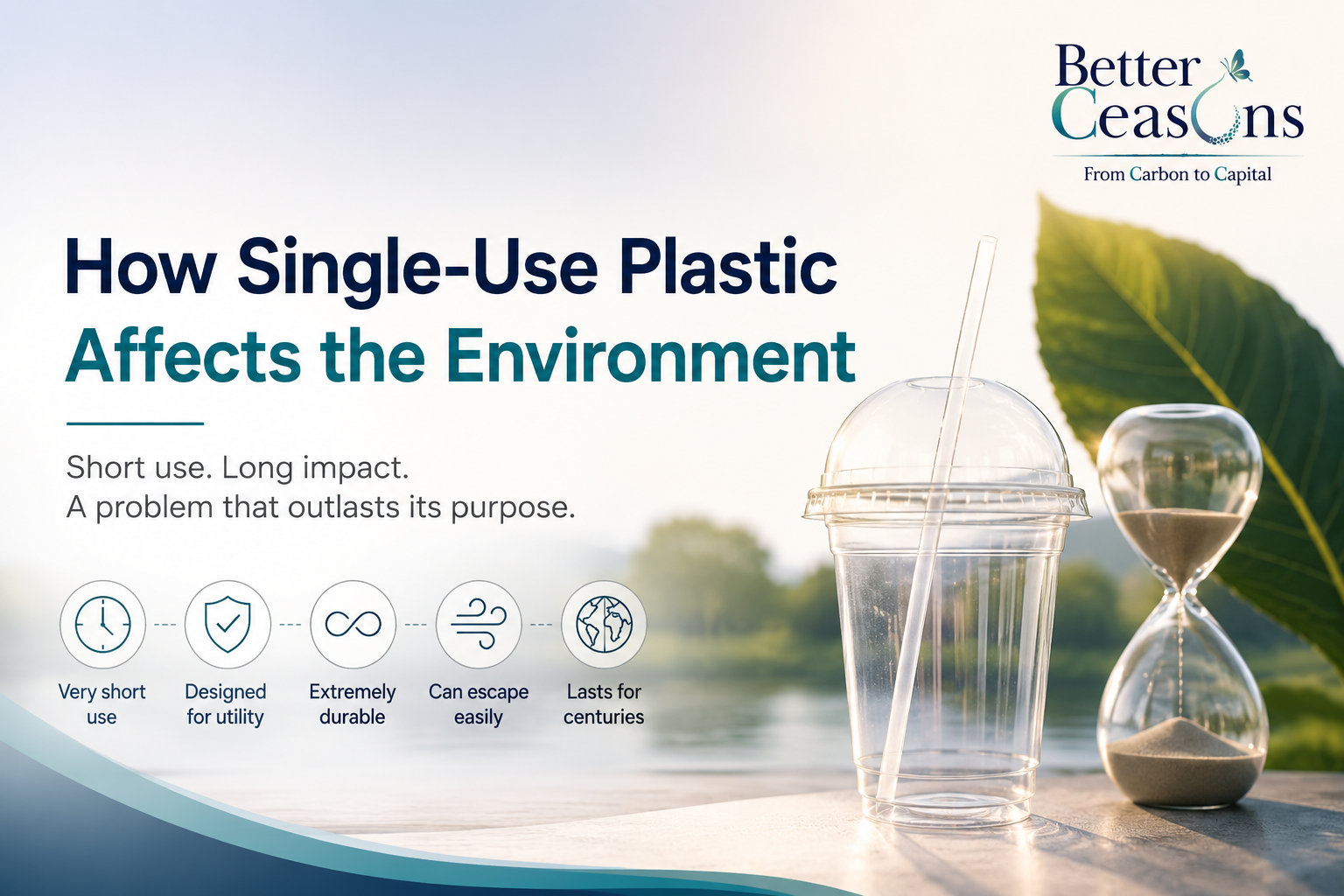
Single use plastic creates a strange mismatch between usefulness and...
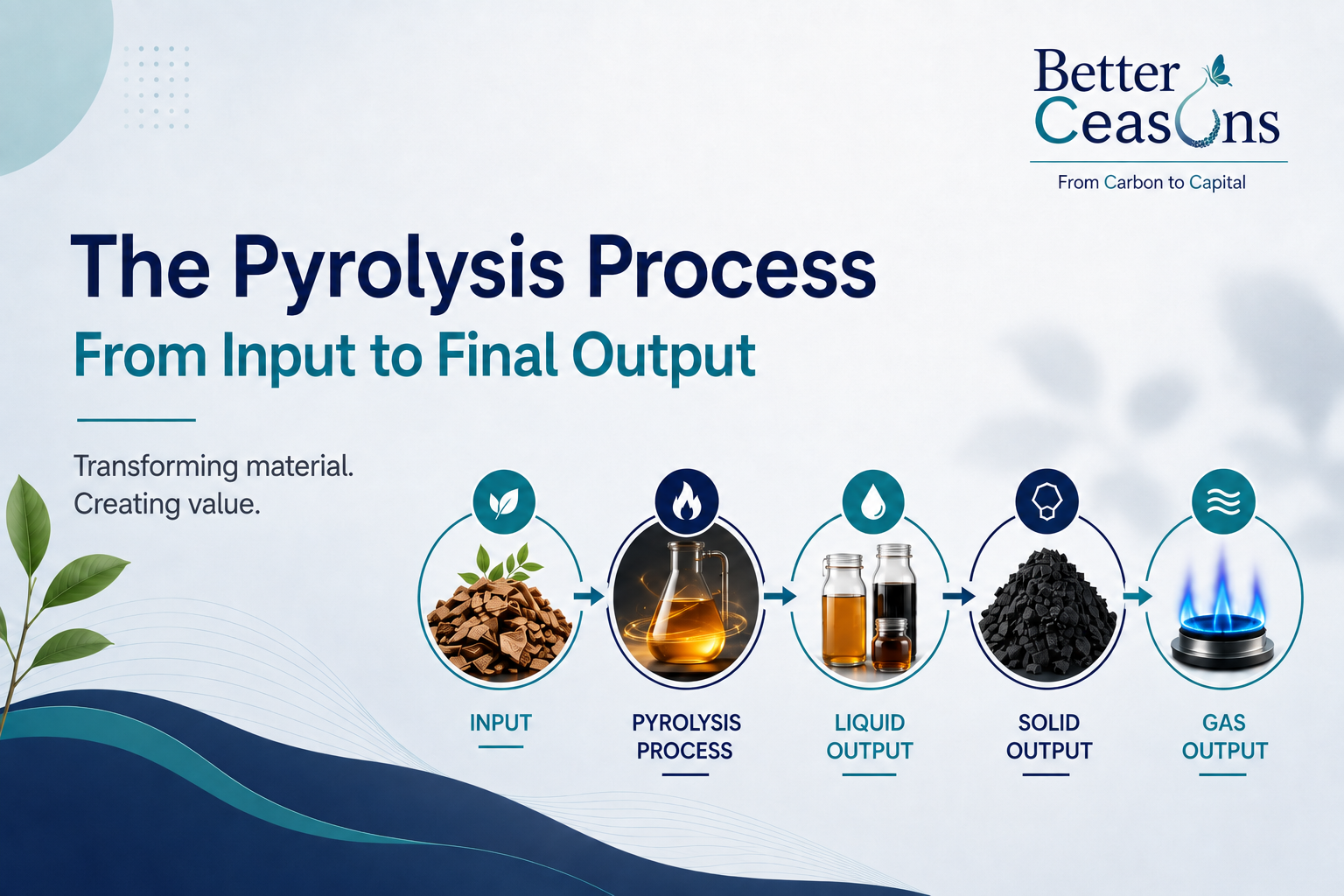
That description captures the central principle, but it leaves out most of what makes the process...
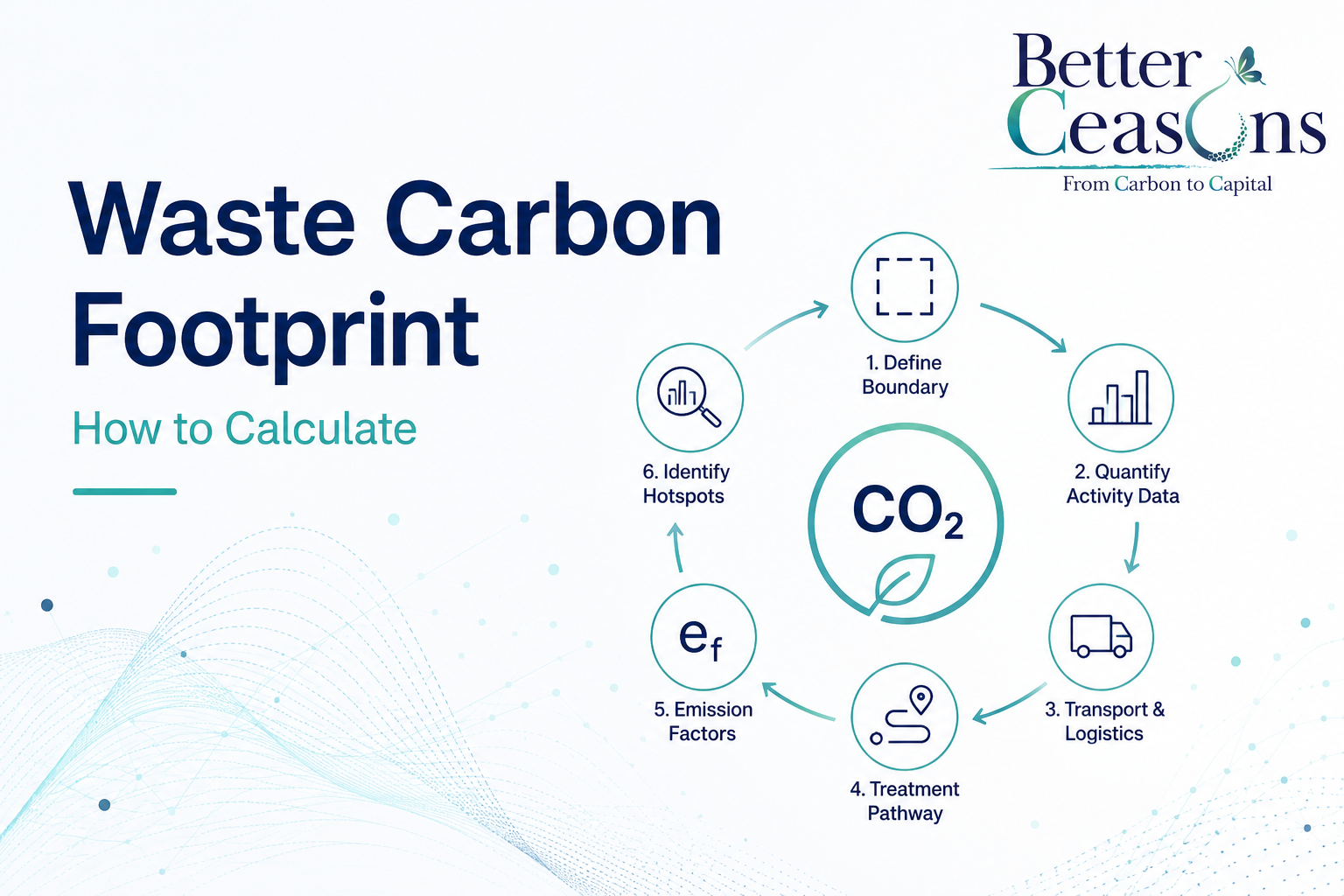
A company can know exactly how many tonnes of waste it produces and still know surprisingly little about the climate impact of that...
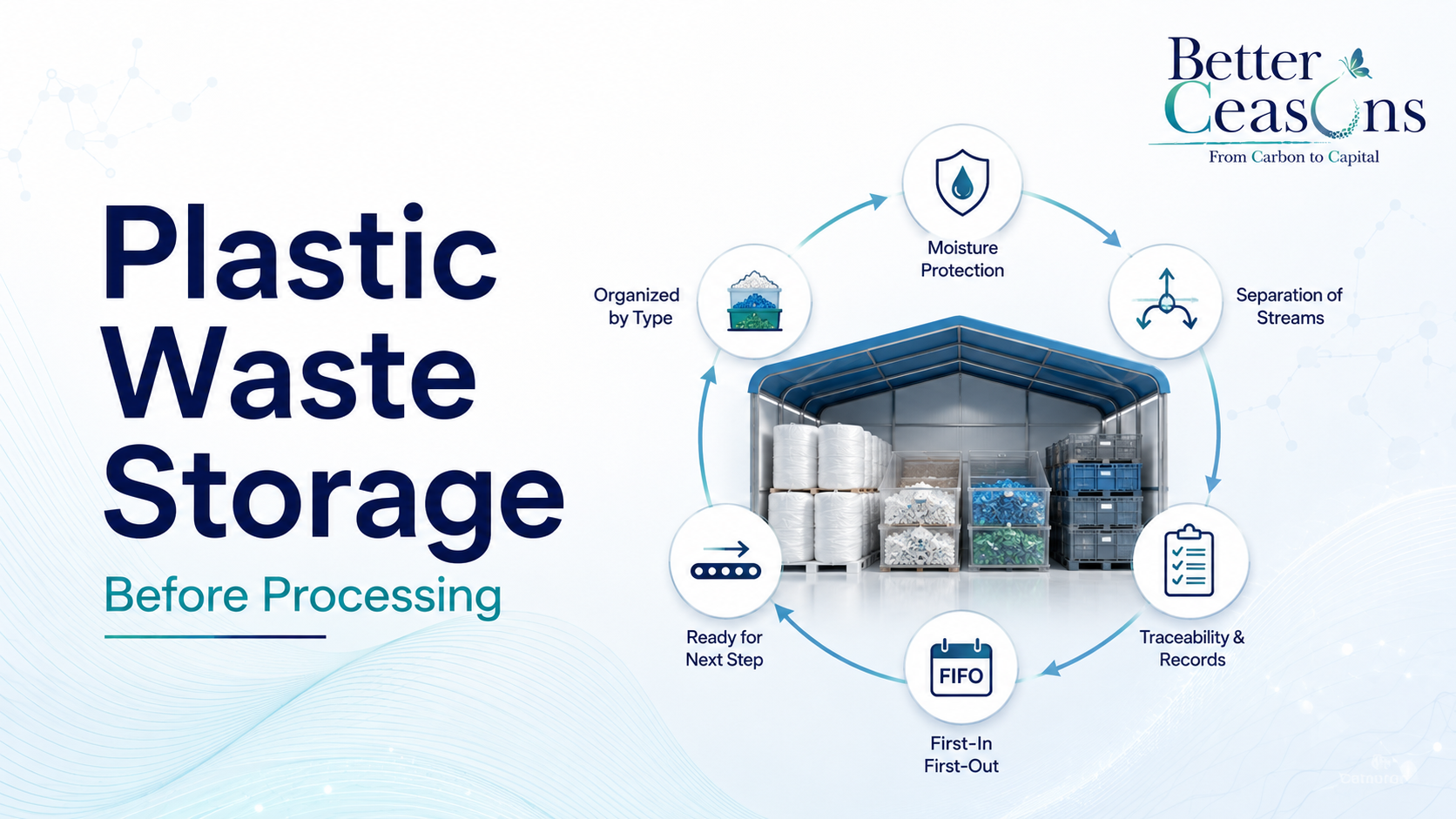
What happens to plastic before processing can determine what becomes possible during...
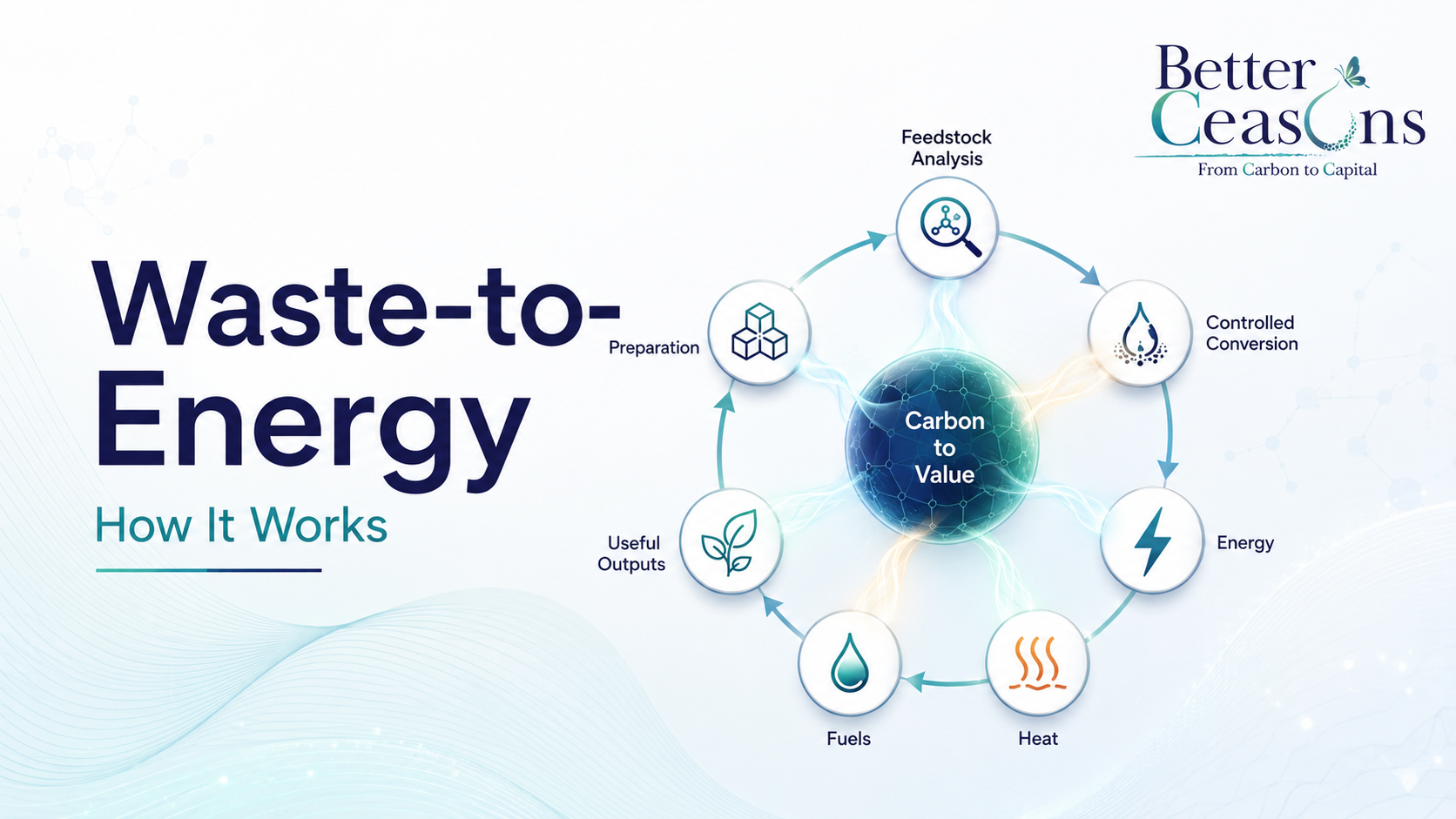
Waste to energy technology begins with an idea that sounds...
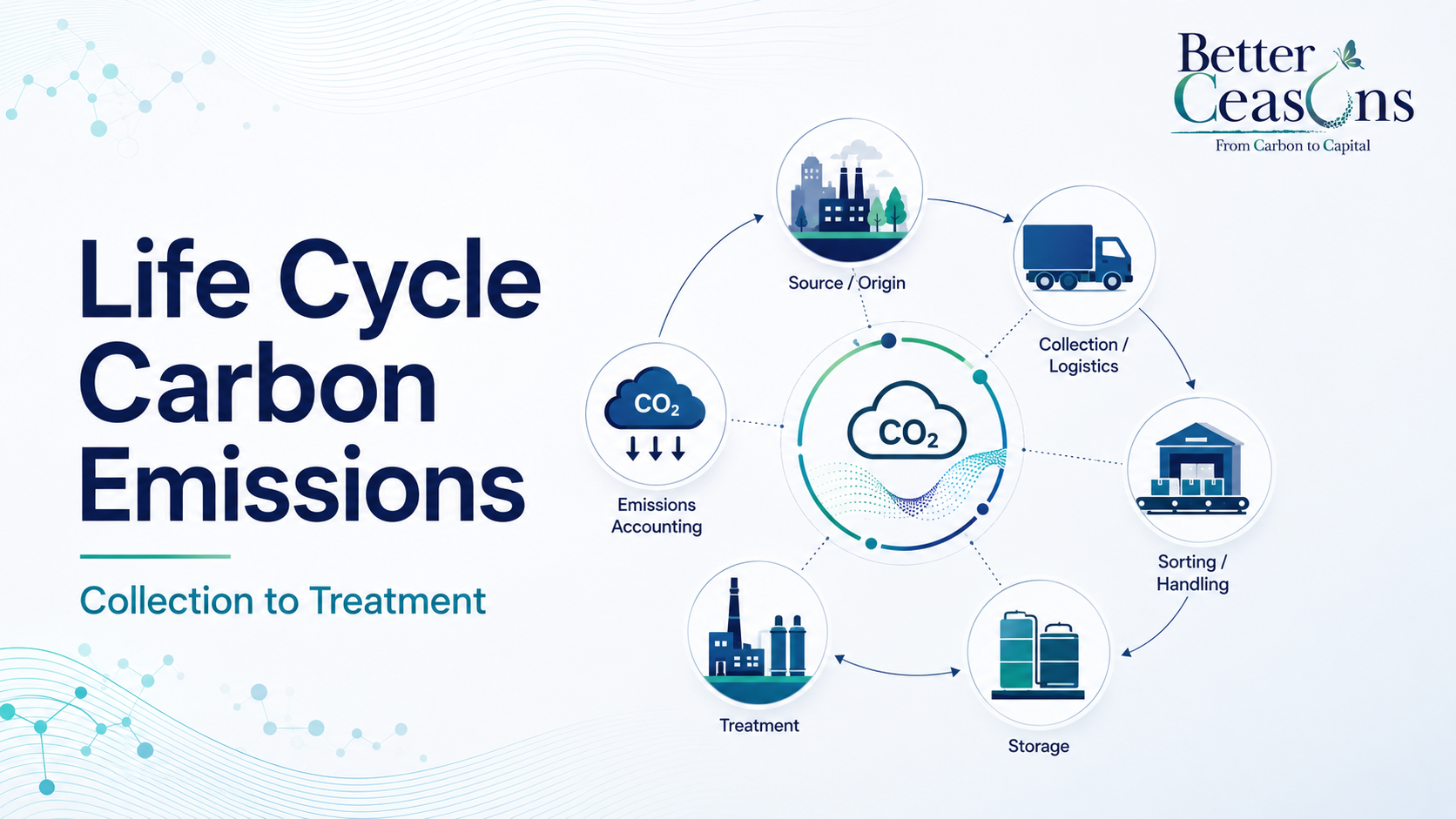
The climate impact of waste is easy to underestimate because most of its journey happens somewhere...
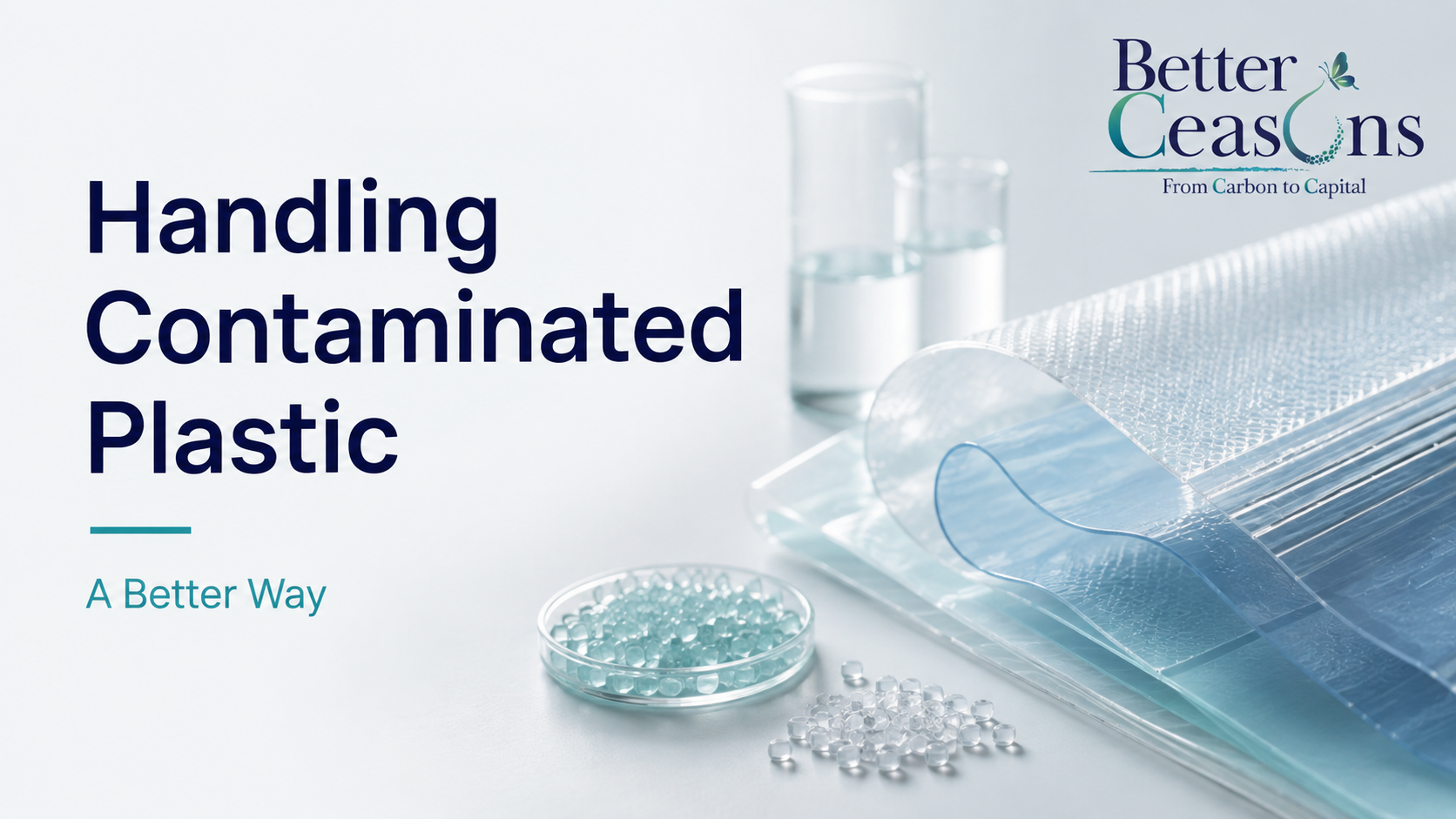
Plastic waste rarely arrives at the end of its useful life in perfect condition. A food container may still carry oil or sauce. Agricultural film can be...
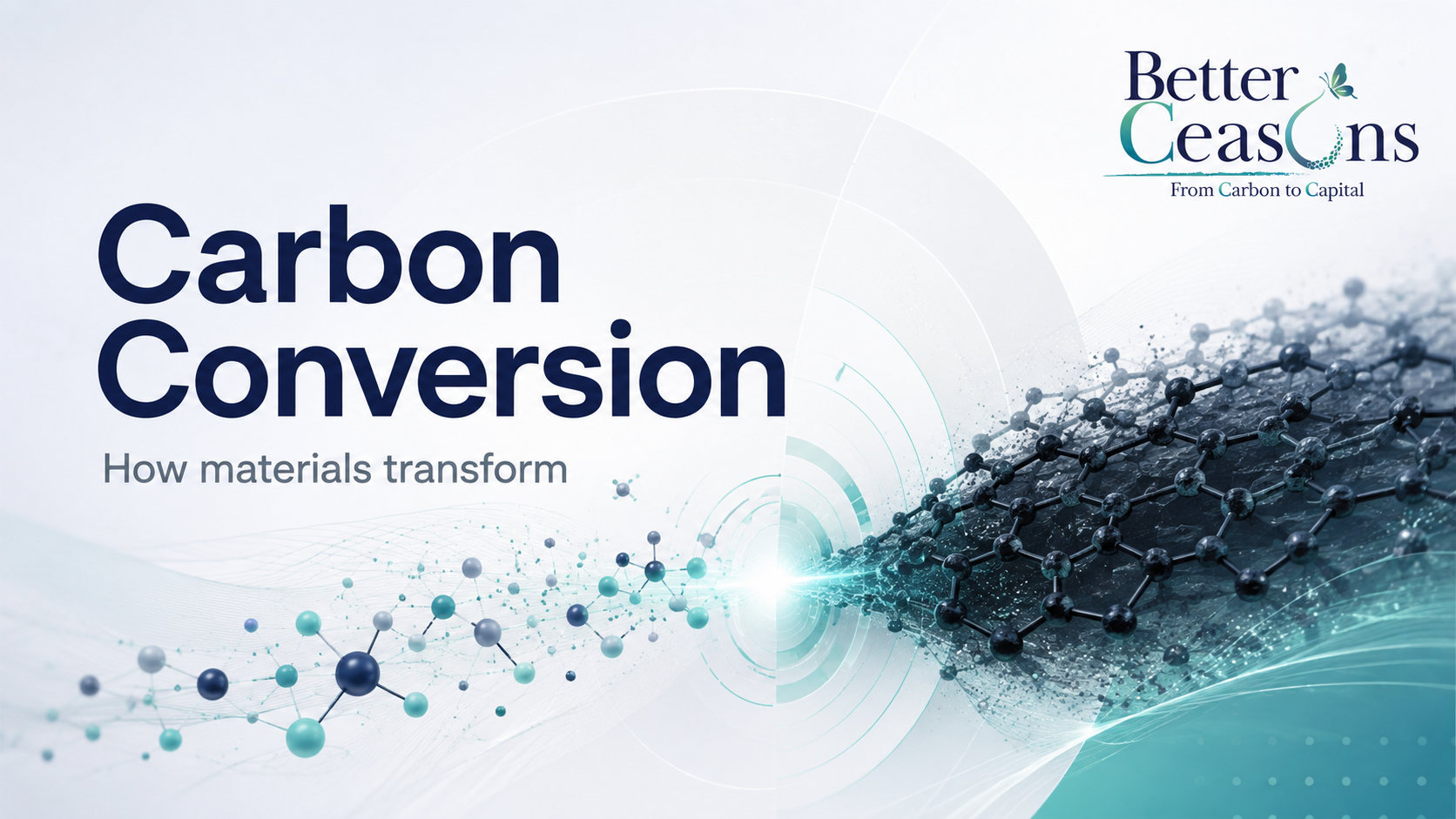
Waste does not simply disappear after we discard it. Many waste materials still contain carbon, energy and chemical compounds that can potentially be...
Littering may seem like a small act. A wrapper dropped on the roadside, a plastic bottle left in a park, or a cigarette butt thrown from a vehicle can...
Plastic has become part of everyday life because it is lightweight, durable and easy to use. It appears in food packaging, household products, clothing...
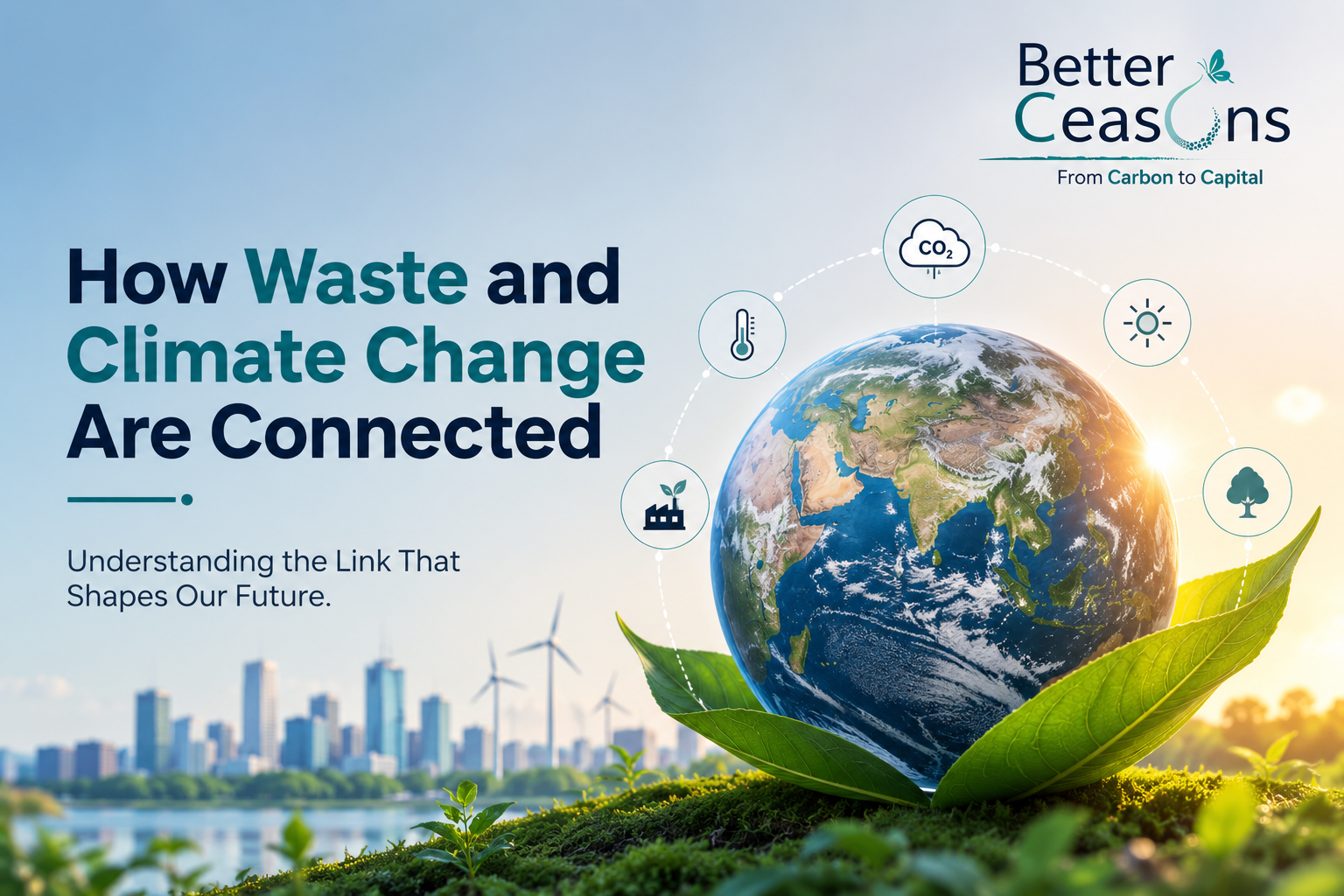
Waste and climate change are often treated as two separate environmental problems. One is associated with overflowing bins, landfills and discarded...
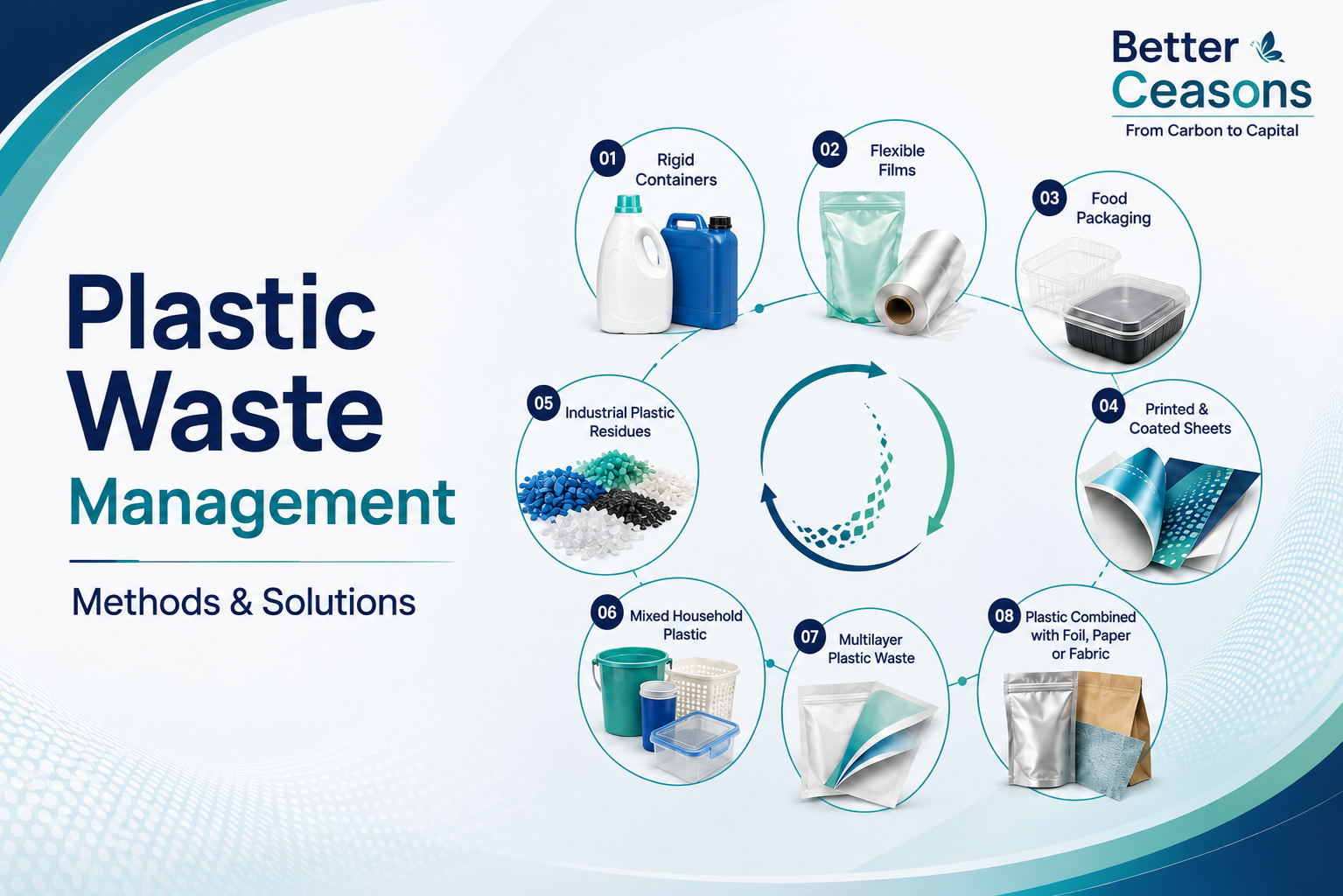
Plastic supports almost every part of modern life. It protects food, keeps medicines safe, reduces product weight, and helps goods move efficiently...
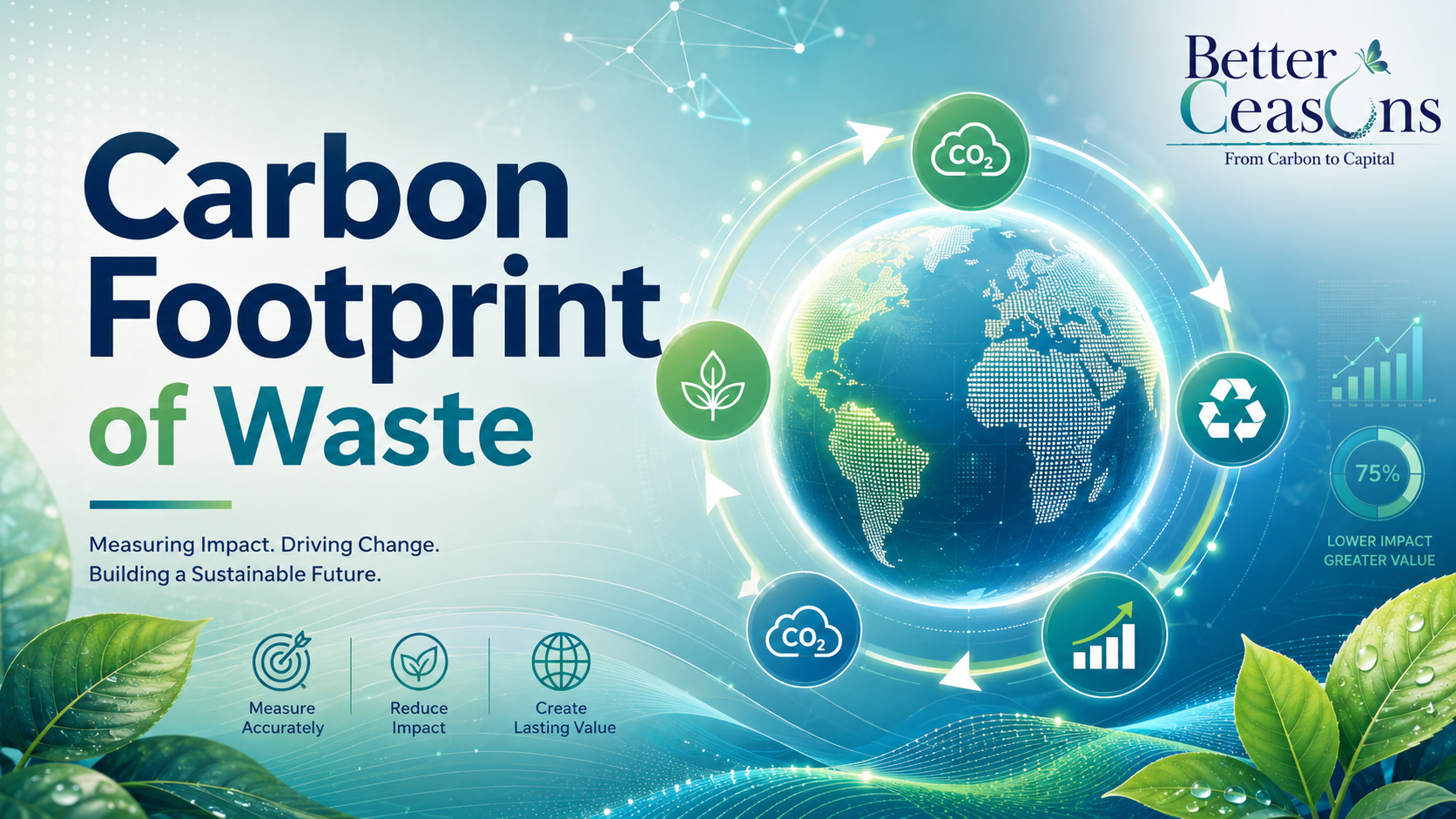
The carbon footprint of waste begins long before something reaches a landfill, dumping ground or treatment...
Waste disposal problems are no longer limited to overflowing bins or distant landfill sites. They affect the air we breathe, the water we depend on, the...
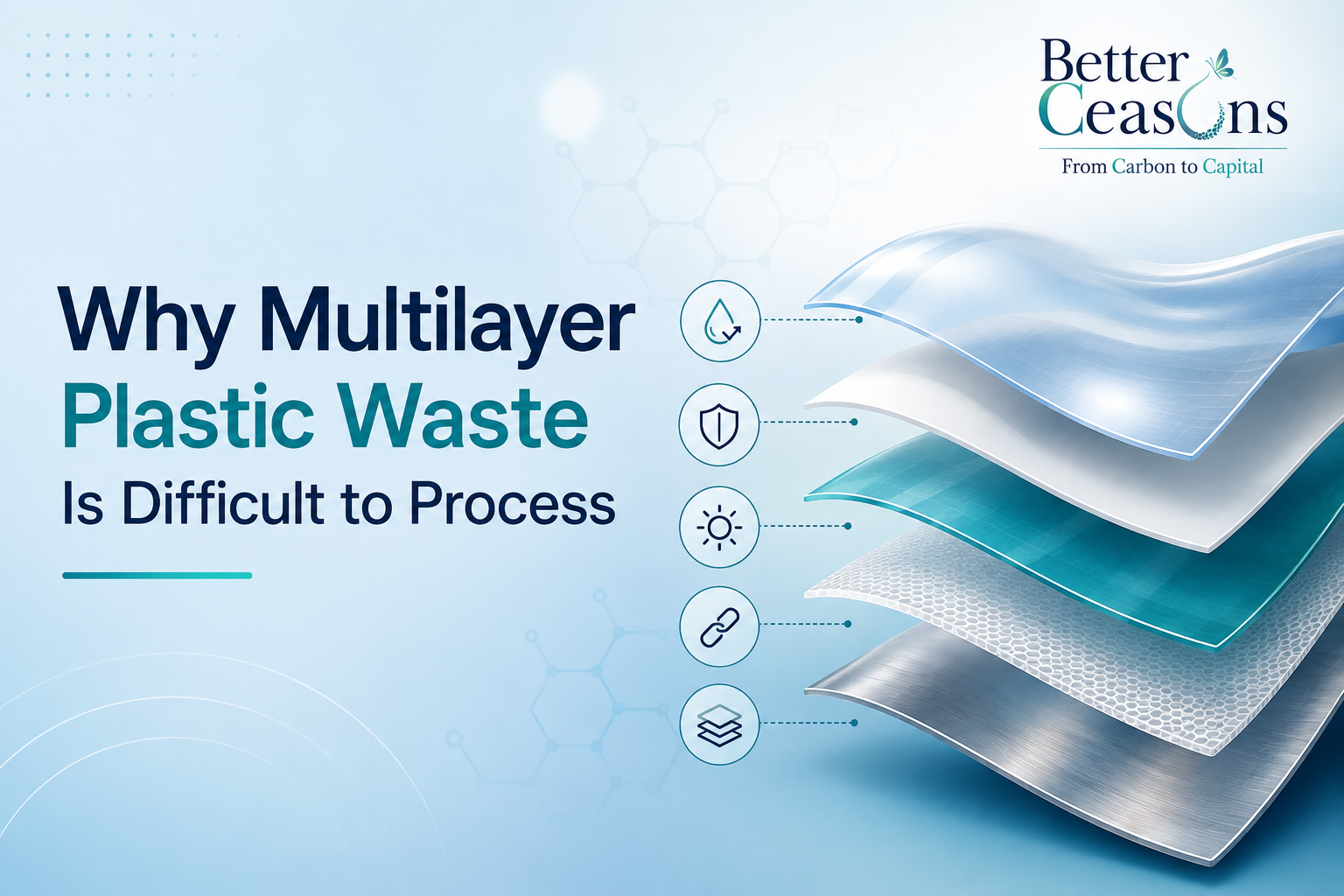
Multilayer plastic waste has become one of the more complicated materials moving through modern waste systems. At first glance, a food pouch, sachet or...
Waste does not stop affecting the environment after it leaves our homes, offices, industries or public...
The collection vehicle arrives, the bin is emptied, and the waste disappears from the...