
Inside Carbon
Carbon — the crucial building block
Carbon is one of the most important elements for life on Earth. It is found in all living things, including plants, animals, and humans. Carbon also plays a key role in keeping our planet warm enough to support life.
→EXPLORE CARBONThe Carbon Cycle
This is how it happens
Carbon naturally moves through the environment in a process called the carbon cycle. Plants absorb carbon dioxide (CO₂) from the atmosphere during photosynthesis and use it to grow. Animals and humans then obtain this carbon by consuming plants or other animals. When living things breathe, die, or decompose, carbon is released back into the atmosphere. Some decomposition processes also produce methane (CH₄), another important greenhouse gas.
human sourcesH₂OWater Vapour& clouds
Sunlight / Infrared
Carbon dioxide, methane, and water vapor help keep the Earth warm through a natural process known as the greenhouse effect. The Sun provides energy to the Earth through sunlight. The Earth's surface absorbs this energy and later releases some of it back as heat. Greenhouse gases trap a portion of this heat, preventing it from escaping into space. Without these gases, the Earth would be too cold for most forms of life.
For thousands of years, nature has maintained a balance in this carbon cycle. However, human activities such as burning coal, oil, and natural gas release large amounts of carbon dioxide and methane into the atmosphere. These emissions are being added faster than nature can absorb them.
As a result, more heat is trapped in the atmosphere, leading to global temperature increases. This leads to climate change, which can result in extreme weather, rising sea levels, damage to ecosystems, and challenges for human societies.
It is our responsibility to protect this natural balance. By reducing greenhouse gas emissions, using cleaner energy sources, and adopting sustainable practices, we can help limit climate change and protect our planet.
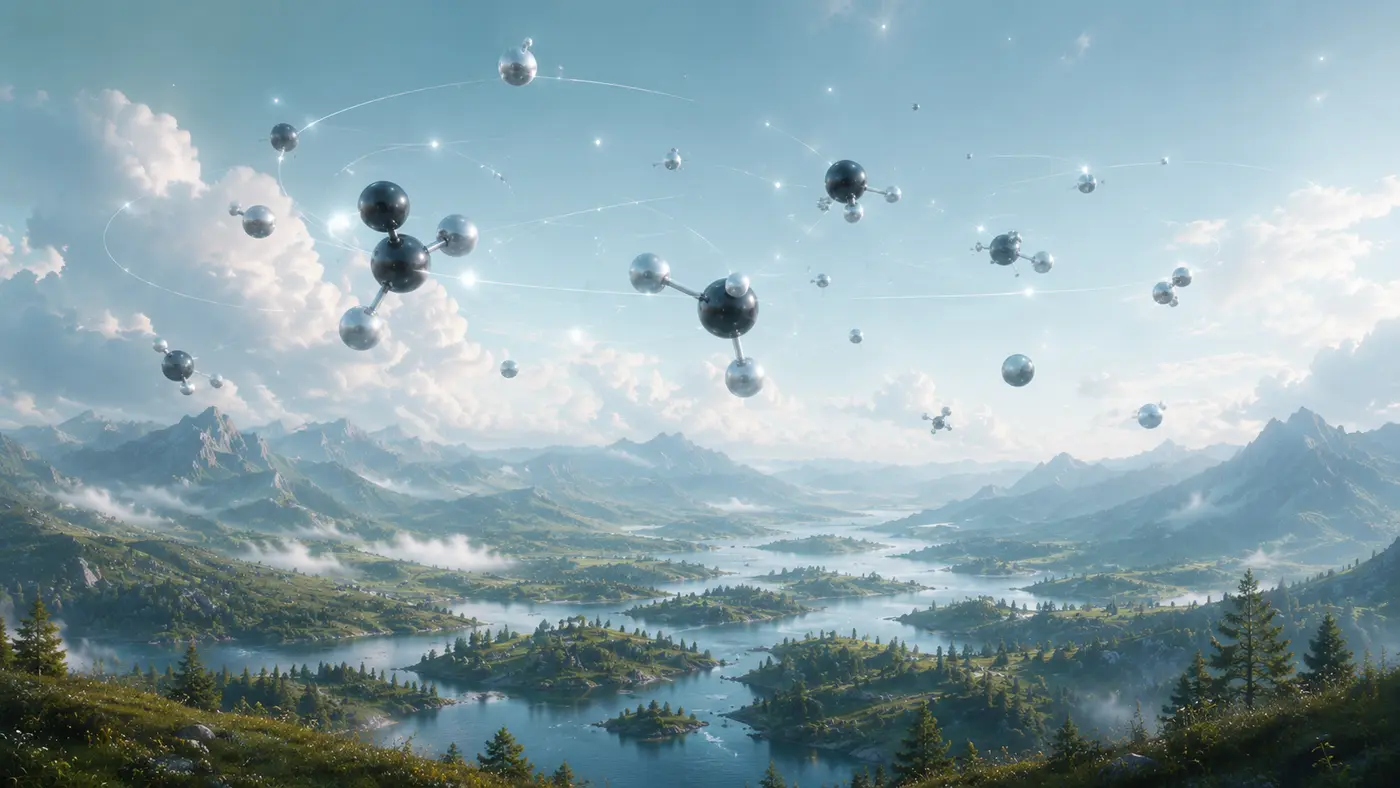
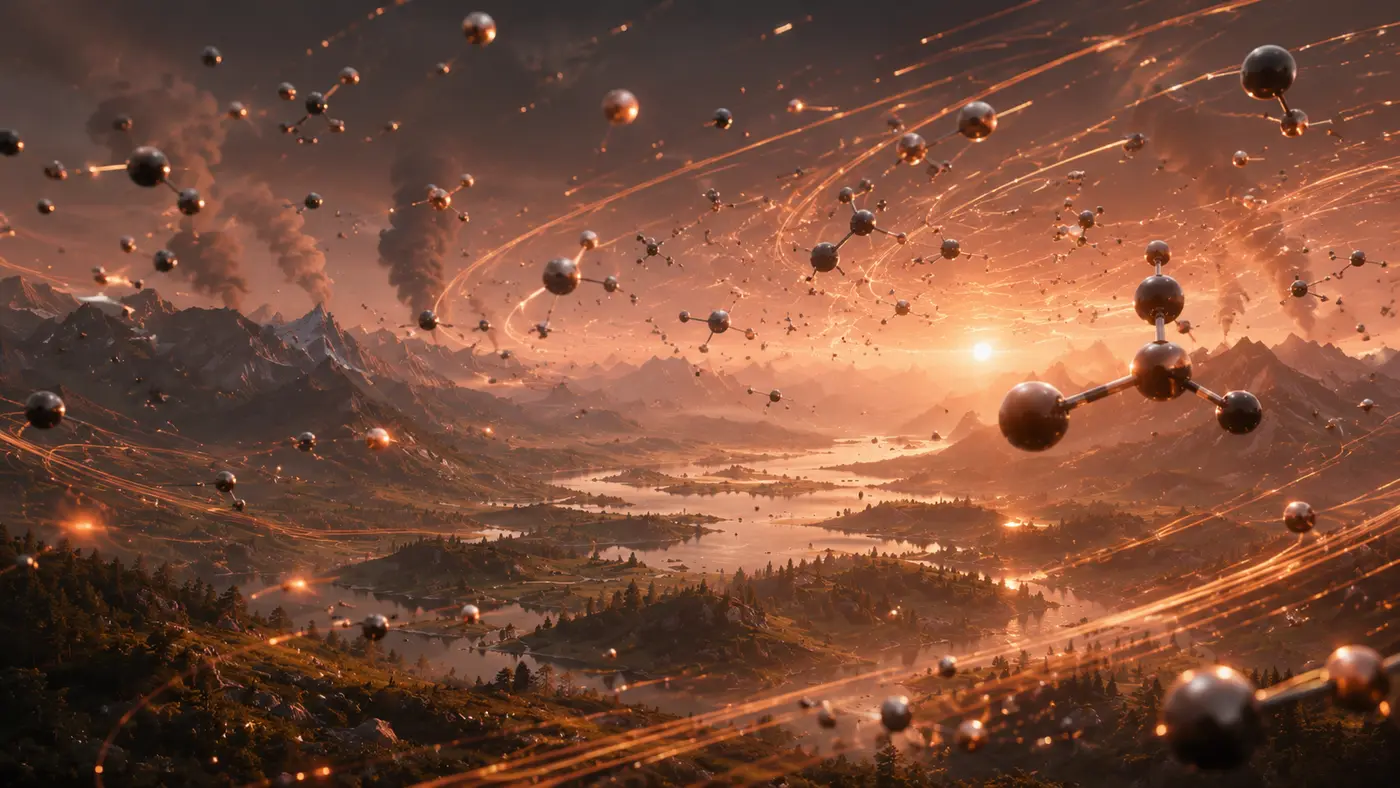
This is why countries around the world are working towards achieving Net Zero emissions by 2050. The goal is to balance the amount of greenhouse gases released into the atmosphere with the amount removed, helping to restore the natural balance of the carbon cycle and create a sustainable future for generations to come.
Reinforcing the simplicity of carbon and its urgency - future generations have their say.
Waste & Carbon Emissions
Waste can contribute to greenhouse gas emissions during collection and transport, treatment and final disposal. Biodegradable materials can also generate methane when they decompose under anaerobic landfill conditions.
Understanding these pathways helps explain how carbon emissions from waste affect the environment, how waste transport emissions increase logistics footprints, how energy recovery from waste captures usable value, how clean energy innovation in waste treatment creates alternative pathways, and how evaluating carbon reduction and carbon offsetting connects with the wider carbon footprint of wasteacross a material's lifecycle.
Carbon in context
Waste, Carbon Emissions and Climate Change
Waste and climate change are connected in more ways than we usually notice.
The impact does not come from waste simply existing.
It comes from what happens to that material after it is created — how it is transported, stored, treated, left to break down or otherwise handled.
Different waste pathways can create different types of greenhouse gas emissions.
Understanding these connections helps us think about waste as part of a wider environmental system.
A Better Way to Think About Waste and Carbon
The goal should not be to make broad claims that one solution can remove every environmental impact.
A better approach is to understand the material, understand its journey and look for responsible ways to reduce unnecessary impact while recovering useful value where possible.
That is the conversation Better Ceasons wants to help move forward.
Questions & answers
Frequently Asked Questions
01How do carbon emissions come from waste?
Carbon emissions can be connected with transport, treatment, processing and other stages of a waste material’s journey.
The impact depends on what the material is and how it is managed.
02Waste se carbon emissions kaise hoti hain?
Waste ka carbon impact uski complete journey par depend karta hai.
Collection, transportation, treatment aur disposal ya recovery ke different stages par emissions ho sakti hain.
Har type ke waste ka impact same nahi hota.
03How does waste create methane?
Certain organic materials can create methane when they break down in conditions with very little oxygen.
The amount depends on the material and the conditions in which decomposition takes place.
04Waste se methane gas kaise banti hai?
Kuch organic waste jab aisi conditions mein break down hota hai jahan oxygen bahut kam hoti hai, tab methane gas ban sakti hai.
Kitni methane banegi, yeh material aur surrounding conditions par depend karta hai.
05What is the carbon footprint of waste?
The carbon footprint of waste is the greenhouse gas impact connected with the material across stages such as collection, transport, treatment and final handling.
06How does waste affect climate change?
Waste can contribute to climate change when different stages of its handling create greenhouse gas emissions such as carbon dioxide or methane.
07Net zero waste management kya hai?
Simple terms mein, net zero waste management ka matlab sirf “zero emissions” bol dena nahi hai.
Pehle avoidable emissions ko jitna possible ho reduce karna hota hai, aur jo emissions remain karti hain unhe wider climate approach ke through responsibly address karna hota hai.